Geometric Pattern Seamless Vector: A Versatile Design Asset for Creative Projects
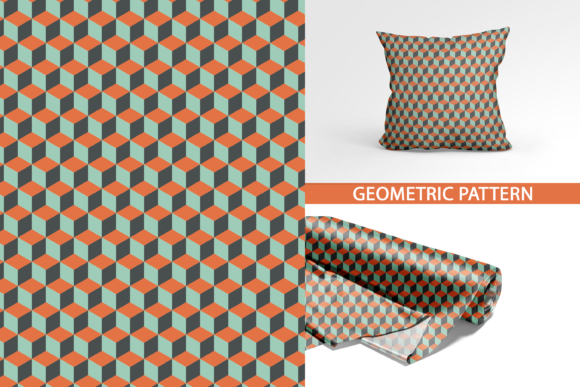
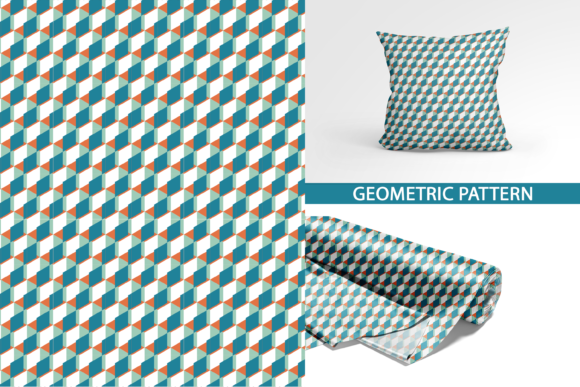
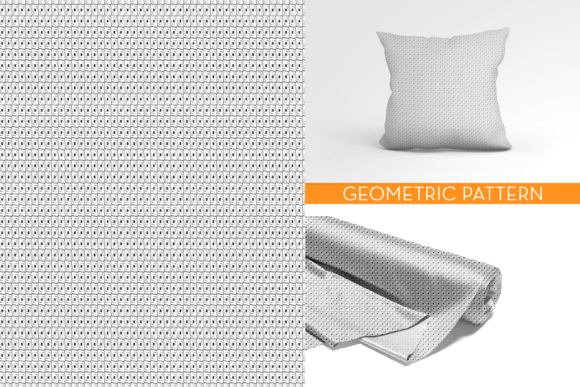
Geometric Pattern Seamless Vector refers to a digital design asset composed of repeating geometric shapes arranged in a seamless format. These patterns are commonly used in graphic design, interior decoration, fashion, and other creative fields due to their visual appeal and adaptability. They are available in high resolution and come with multiple file formats that allow for easy customization and application across various platforms.
One popular variant is the Tartan Seamless Pattern, which combines traditional tartan designs with modern geometric elements. This pattern is particularly trendy and can be used as a vector illustration for wallpapers or as seamless tiles for decorative paper, fashion design, and house interior design. The versatility of these patterns makes them a valuable resource for designers and artists looking to enhance their projects with visually striking elements.
Why Consider Geometric Pattern Seamless Vector?
There are several reasons why someone might be interested in using a Geometric Pattern Seamless Vector. First, these patterns are designed to repeat seamlessly, making them ideal for large-scale applications such as wall coverings, fabric prints, and digital backgrounds. Their high-resolution quality ensures clarity even when scaled up, which is essential for professional-grade outputs.
Another advantage is the range of file formats provided, including .Ai, .Eps, .PNG, .JPG, .DXF, .PDF, and .SVG. This variety allows users to choose the format that best suits their specific needs. For instance, .Ai and .Eps files are editable in vector graphic software like Adobe Illustrator, while .PNG and .JPG files are suitable for web use and print with transparent or white backgrounds, respectively.
The ability to customize these templates easily is another key benefit. With dimensions of 3000×2000 pixels and an RGB color mode, they offer flexibility for both digital and print applications. This makes them a strong fit for those who require high-quality visuals without the need for complex editing processes.
Benefits and Tradeoffs
The primary benefit of using a Geometric Pattern Seamless Vector is its versatility. It can be applied to a wide range of surfaces and mediums, from digital displays to physical materials. The seamless nature of the design eliminates visible seams, ensuring a clean and professional appearance. Additionally, the unique designs offered by these vectors can help create a distinctive look for any project, whether it's for a home interior, a fashion line, or a branding campaign.
However, there are also tradeoffs to consider. While these patterns are highly customizable, they may not be suitable for every design scenario. For example, if a project requires intricate details or organic shapes, a geometric pattern may not be the best choice. Moreover, the high resolution and large file sizes can sometimes make them less practical for web-based applications where smaller, optimized images are preferred.
Another consideration is the learning curve associated with using vector files. Users who are not familiar with vector graphic software may find it challenging to edit and manipulate these files effectively. However, many online tutorials and resources are available to help users get started with vector design tools.
Situations Where Geometric Pattern Seamless Vector Fits Well
A Geometric Pattern Seamless Vector is a strong fit for projects that require a consistent and visually appealing background. This includes interior design applications such as wallpaper, floor tiles, and fabric patterns. It is also well-suited for fashion design, where the repetitive nature of the pattern can be used to create eye-catching prints on clothing and accessories.
In digital design, these vectors are useful for creating backgrounds for websites, mobile apps, and presentations. Their high resolution and scalability make them ideal for both small and large screens. Additionally, they are often used in hand crafts, where the seamless design allows for easy repetition across different materials and surfaces.
When Alternatives Might Be More Suitable
While Geometric Pattern Seamless Vectors are highly versatile, there are situations where alternative design options may be more appropriate. For instance, if a project requires a more organic or natural look, a botanical or abstract pattern may be a better choice. Similarly, if the design needs to incorporate photographic elements or detailed illustrations, a geometric pattern may not provide the desired level of detail.
Another scenario where alternatives might be worth considering is when working with limited storage space or bandwidth. In such cases, compressed image formats like JPEG or PNG may be more practical than high-resolution vector files. Additionally, for projects that require frequent modifications, raster-based images might be easier to work with, although they lack the scalability of vector graphics.
Practical Decision-Making Insights
When deciding whether to use a Geometric Pattern Seamless Vector, it's important to evaluate the specific requirements of the project. Consider factors such as the intended use, the medium, and the technical capabilities of the user. If the goal is to create a cohesive and visually striking design that can be easily customized and scaled, then a geometric pattern vector is likely a good choice.
On the other hand, if the project requires more flexibility in terms of design complexity or if the user lacks experience with vector editing software, alternative options may be more suitable. It's also worth exploring sample designs and experimenting with different patterns to see how they fit within the overall aesthetic of the project.
Ultimately, the decision to use a Geometric Pattern Seamless Vector should be based on a careful evaluation of the project's needs and the designer's skills. By understanding the benefits, tradeoffs, and potential applications, users can make informed choices that align with their creative goals and technical capabilities.