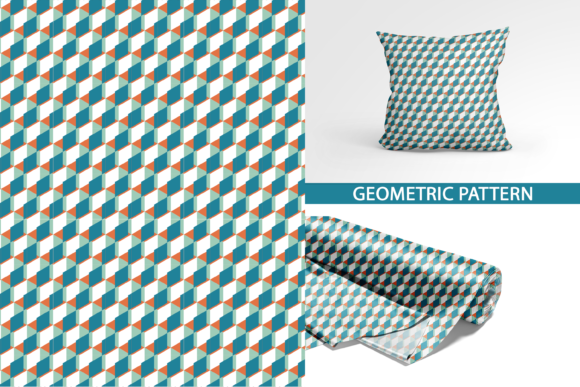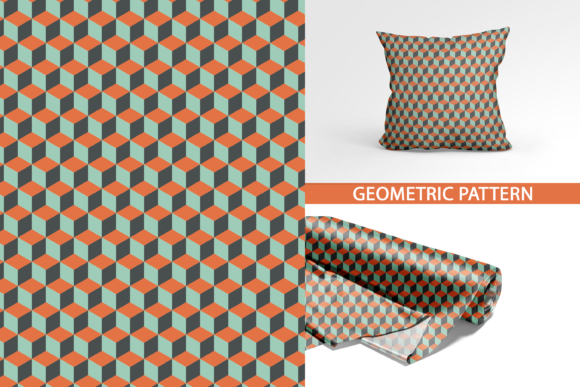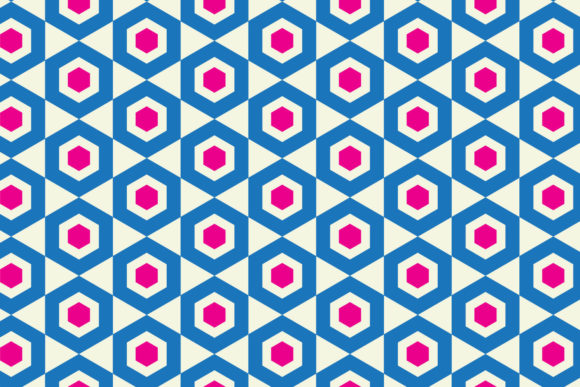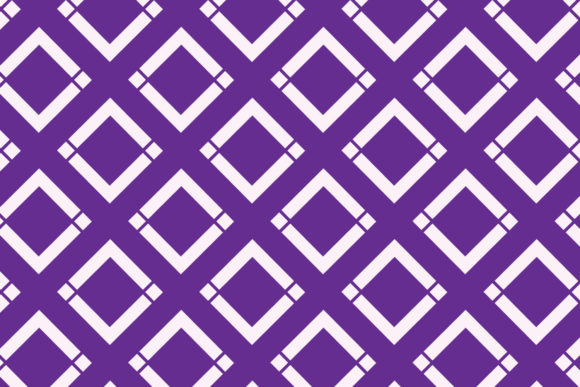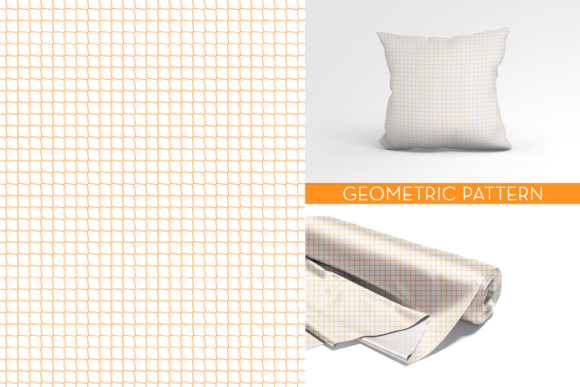
Seamless Pattern Geometric Shapes
Seamless Pattern Geometric Shapes are a versatile design resource that brings structure and visual interest to any creative project. These patterns consist of repeating geometric elements—such as triangles, circles, hexagons, and more—that flow seamlessly together without visible edges or breaks. This makes them ideal for use in a wide range of applications, from digital graphics to physical materials. Whether you're working on a wallpaper, fabric design, or packaging, seamless geometric patterns offer a clean, modern look with endless customization possibilities.
Real-World Applications of Seamless Pattern Geometric Shapes
The beauty of seamless geometric patterns lies in their adaptability. They can be used across multiple industries and scenarios. For instance, if you're designing a website background, these patterns can add a subtle yet striking visual element without overwhelming the content. Similarly, in interior design, they can be printed on decorative paper, textiles, or even wall tiles to create a cohesive and stylish space.
For those in the fashion industry, seamless geometric patterns can be applied to fabric designs, offering a fresh take on traditional motifs. The high-resolution nature of these patterns ensures that even when scaled up, the details remain crisp and clear. Designers can easily modify the colors, shapes, or spacing to suit different collections or product lines.
Hand crafters also benefit greatly from these patterns. Whether making greeting cards, scrapbook pages, or DIY home decor items, seamless geometric designs provide a professional finish without the need for complex illustrations. The ability to edit vector files allows for easy resizing and adaptation to various project sizes and formats.
Who Can Benefit from Using Seamless Pattern Geometric Shapes?
Anyone involved in creative work can find value in seamless geometric patterns. Graphic designers appreciate the ease of use and flexibility they offer when creating logos, brochures, or social media visuals. Interior decorators use them to enhance room aesthetics through wallpaper, cushions, or rugs. Educators might incorporate these patterns into classroom materials, while hobbyists enjoy using them for personal projects like custom phone cases or t-shirts.
Businesses looking to create branded materials also find these patterns useful. From packaging to signage, seamless geometric designs help establish a consistent brand identity. The versatility of file formats like .AI, .EPS, and .SVG makes it easy to integrate these patterns into both print and digital workflows.
Practical Considerations When Choosing a Seamless Pattern
Before selecting a seamless geometric pattern, it's important to consider the intended use. High-resolution files are essential for large-scale prints, such as banners or posters, while smaller digital projects may not require the same level of detail. Understanding the color mode (RGB vs. CMYK) is also crucial, especially if the design will be used for both screen and print media.
Another consideration is the scalability of the pattern. Vector-based files allow for resizing without loss of quality, which is particularly useful for projects that may need to be adapted for different mediums. However, if the pattern includes textures or gradients, it's important to ensure that these remain visually appealing at various sizes.
Additionally, the background type should match the project's requirements. Transparent PNG files are perfect for overlays or digital use, while JPG files with a white background are better suited for print. Choosing the right format ensures that the pattern integrates smoothly with other design elements.
Customization and Creativity with Seamless Patterns
One of the greatest advantages of seamless geometric patterns is their ease of customization. Designers can adjust colors, spacing, and shapes to align with specific branding guidelines or aesthetic preferences. This makes them an excellent choice for businesses aiming to maintain consistency across multiple marketing materials.
For example, a tech startup might use a minimalist geometric pattern in its website design to convey innovation and clarity. In contrast, a boutique fashion brand could opt for a bolder, more intricate pattern to stand out in a competitive market. The ability to tweak these elements means that the pattern can be tailored to fit almost any style or theme.
Moreover, combining different geometric shapes can lead to unique and eye-catching designs. Experimenting with layering, overlapping, or varying sizes can create dynamic visual effects that draw attention and leave a lasting impression.
Limitations and Best Practices
While seamless geometric patterns are highly versatile, they do have some limitations. Overuse can lead to visual fatigue, so it's important to balance them with solid colors or other design elements. Additionally, certain patterns may not be suitable for all contexts—what works well on a website background might not translate effectively to a product label.
To avoid potential issues, it's advisable to test the pattern in different environments before finalizing a design. Checking how it looks on various screen sizes, under different lighting conditions, and when printed can help identify any inconsistencies or unwanted effects.
Finally, always ensure that the pattern is used within the bounds of copyright and licensing agreements. Many free resources come with restrictions on commercial use, so it's important to review the terms carefully before incorporating them into a project.