Geometric Rectangular Pattern Background: A Modern Design Element for Practical Use
The geometric rectangular pattern background has emerged as a versatile and impactful design element in modern visual communication. This style combines simplicity with structure, using clean lines, repetition, and precise shapes to create a visually appealing backdrop. Whether used in digital or print media, this pattern is well-suited for a wide range of applications, from website banners to textile designs. Its adaptability makes it an excellent choice for professionals, creators, and entrepreneurs looking to enhance their projects with minimal effort and maximum impact.
Understanding the Geometric Rectangular Pattern Background
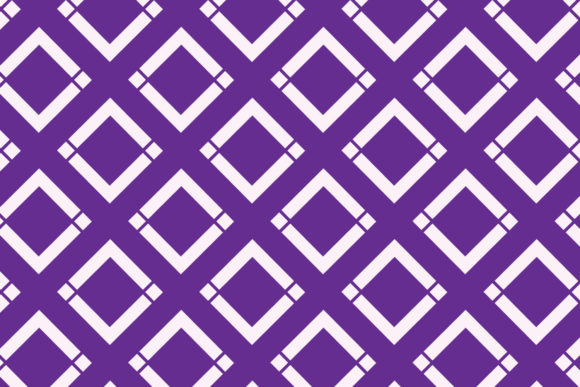
A geometric rectangular pattern background is typically composed of repeating rectangular shapes arranged in a structured grid. These patterns can be monochrome, grey, black, or white, and often feature subtle variations in line thickness or spacing to add depth without overwhelming the viewer. The use of rectangles allows for seamless tiling, making it ideal for large-scale applications such as wallpaper, fabric prints, or digital banners.
This type of background is especially popular in minimalist and modern design aesthetics. It provides a neutral yet dynamic foundation that complements other design elements without drawing too much attention itself. Its clean, structured look also makes it highly compatible with other geometric shapes like squares, triangles, and circles, allowing for creative combinations in more complex compositions.
Where Does It Fit in the Design Process?
Incorporating a geometric rectangular pattern background into a project should begin during the planning phase. Before finalizing color schemes or layout structures, consider how this pattern will interact with the overall design. Will it serve as a subtle texture or a dominant visual element? Understanding its role early on ensures consistency throughout the design process.
During execution, this background can act as a base layer for other graphic elements. It works particularly well with text-heavy content, as its structured nature helps guide the eye without competing for attention. For digital projects, designers can use vector-based tools to ensure scalability and clarity at any size.
After the initial design is complete, the pattern can be tested across different platforms and devices. Ensuring compatibility with various screen sizes and resolutions is crucial for maintaining quality control. Additionally, considering how the pattern interacts with lighting conditions—especially in physical applications like textiles or printed materials—can help avoid unexpected visual effects.
Practical Applications of the Geometric Rectangular Pattern Background
The versatility of a geometric rectangular pattern background means it can be applied in numerous contexts. Here are some practical examples of where this pattern excels:
- Digital Design: Websites, mobile apps, and digital banners benefit from the structured yet modern appearance of this pattern. It can serve as a background for landing pages, promotional materials, or even user interfaces where a clean aesthetic is desired.
- Print Media: In print, this pattern is commonly used for backgrounds in magazines, brochures, and packaging. Its repetitive nature allows for easy scaling and printing without distortion.
- Textile and Fabric Design: The pattern's seamless tiling makes it an excellent choice for fabric prints, upholstery, and fashion items. It adds a sense of order and sophistication to textiles while remaining adaptable to various styles, from retro to contemporary.
- Interior Decor: As a decorative element, this pattern can be used in wall coverings, floor tiles, or even as part of a larger mural. It brings a sense of balance and harmony to interior spaces.
- Graphic Illustrations: When combined with other geometric shapes or abstract forms, the pattern can be used to create intricate illustrations or mosaic-style artwork. It offers a structured framework for more creative experimentation.
Integration with Other Tools and Resources
When working with a geometric rectangular pattern background, it’s important to consider how it integrates with other design tools and resources. Vector-based software like Adobe Illustrator or Inkscape is ideal for creating and editing these patterns due to their precision and scalability. These tools allow for easy customization, ensuring the pattern aligns perfectly with the rest of the design.
For those working with web development, CSS and SVG formats are essential for embedding the pattern seamlessly into digital projects. Using these formats ensures that the pattern remains crisp and clear at any resolution, which is particularly important for responsive design.
Additionally, stock image websites and design marketplaces offer pre-made versions of this pattern, which can be a time-saving resource for those who need quick access to high-quality assets. However, it’s always best to verify licensing terms to ensure proper usage rights.
Workflow Tips for Using a Geometric Rectangular Pattern Background
Implementing a geometric rectangular pattern background effectively requires careful consideration of several factors. Here are some practical tips to help streamline your workflow:
- Define the Purpose: Determine whether the pattern is meant to be a subtle texture or a bold statement. This decision will influence the choice of colors, spacing, and scale.
- Choose the Right Format: Depending on the application, select between raster or vector formats. Vector formats are generally preferred for digital and print use due to their flexibility and scalability.
- Test Across Devices: Ensure that the pattern looks consistent across different screens and resolutions. This is especially important for digital projects where the same background may appear on smartphones, tablets, or desktop monitors.
- Experiment with Combinations: Try pairing the pattern with other geometric elements or textures to create more complex and engaging designs. This can add depth and interest to otherwise simple compositions.
- Consider Usability: In user interface design, the pattern should not interfere with readability or functionality. Keep the background subtle enough to allow text and interactive elements to stand out clearly.
Long-Term Use and Consistency
One of the key advantages of a geometric rectangular pattern background is its long-term usability. Because of its structured and repeatable nature, it can be reused across multiple projects without losing its effectiveness. This makes it an excellent choice for branding, where consistency is essential.
However, it’s important to maintain a balance between repetition and variety. Overusing the same pattern can lead to visual fatigue, so consider varying the pattern slightly or combining it with other elements to keep the design fresh and engaging over time.
For businesses or individuals who rely heavily on this pattern, creating a standardized template can save time and ensure consistency across all materials. This approach is particularly useful for marketing campaigns, product packaging, or website redesigns.
Conclusion
The geometric rectangular pattern background is a powerful and flexible design element that can enhance a wide range of creative and professional workflows. From digital design to textile production, its structured yet modern aesthetic makes it a valuable asset for anyone looking to add visual interest without complexity.
By understanding how to integrate this pattern into different stages of a project—from planning to execution—you can make the most of its potential. Whether you're a designer, marketer, or entrepreneur, incorporating this pattern thoughtfully can elevate the quality and impact of your work, helping you achieve better results with greater efficiency.