Abstract Checkered Background: A Comprehensive Evaluation for Design Professionals
In the realm of visual design, few patterns have maintained such enduring relevance as the abstract checkered background. While often associated with retro aesthetics or classic tiling, modern interpretations offer a sophisticated foundation that bridges the gap between geometric precision and artistic fluidity. For professionals aged 20 to 50 who are constantly evaluating resources for their projects, understanding the specific utility of this asset is crucial. This analysis explores the distinct characteristics of high-quality abstract checkered imagery, its versatility across various mediums, and how it compares to other graphic approaches.
Distinguishing Features of Abstract Checkered Imagery
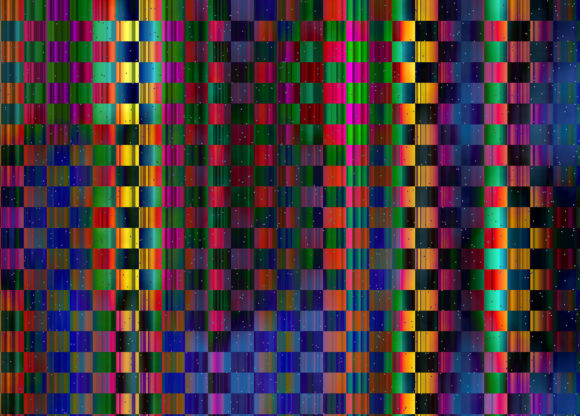
The term "abstract" in the context of a checkered pattern suggests a departure from rigid, uniform grids. Instead of the predictable, mathematically perfect squares found in traditional floor tiles, an abstract version introduces variation in color saturation, line thickness, opacity, or even slight distortions. This creates a dynamic texture that feels organic rather than manufactured. When you select a file described as containing Abstract Checkered Background, you are typically acquiring a digital asset designed to serve as a versatile canvas rather than a static image.
The quality of these files is paramount. Specifications such as 300 dpi resolution indicate that the image is optimized for print production. Unlike web-optimized images that prioritize load speed over detail, a 300 dpi file ensures that every edge remains crisp when scaled up for physical applications. Furthermore, the use of RGB color mode aligns the asset with digital workflows, making it immediately compatible with screens, monitors, and software environments like Adobe Photoshop or Illustrator without requiring complex color space conversions.
Comparing Formats: Digital vs. Print Applications
One of the primary factors in choosing an Abstract Checkered Background is determining the intended output medium. The decision often hinges on the tradeoff between screen display fidelity and print durability.
- Digital Projects: For web design, social media campaigns, or digital banners, the RGB format of these backgrounds offers vibrant color reproduction. The abstract nature allows designers to overlay text or UI elements without the pattern becoming visually overwhelming. It acts as a subtle texture that adds depth to flat interfaces.
- Physical Production: The same assets, when utilized at 300 dpi, transition seamlessly into tangible products. Whether creating custom t-shirts, mugs, or pillows, the high resolution prevents pixelation. The abstract interpretation ensures that the pattern does not look like a cheap, repeating vector but rather a unique textile or surface finish.
Compared to solid colors or photographic backgrounds, the checkered style offers a middle ground. Solid colors can feel sterile, while photography might distract from the primary content. The abstract checkered pattern provides structure and rhythm without dictating a specific narrative, making it a neutral yet engaging choice.
Versatility Across Creative Industries
The utility of these backgrounds extends far beyond simple decoration. Their adaptability makes them a staple for a wide array of creative endeavors.
Textile and Merchandise Design
In the world of apparel and home goods, the Abstract Checkered Background serves as a foundational layer. Designers often use these files as textures for decorative packaging or banners. The pattern's ability to stretch and repeat without obvious seams (depending on the specific file construction) is a significant advantage. When applied to bags or plates, the abstract quality adds a modern twist to classic motifs, appealing to consumers looking for contemporary aesthetics.
Crafts and DIY Projects
For hobbyists and crafters, these files open up possibilities for wallpaper crafts projects and personalized gifts. The high-quality resolution ensures that when printed on cardstock or fabric, the details remain sharp. Whether cutting out shapes for scrapbooking or printing large sheets for room decor, the Abstract Checkered Background provides a professional-grade base that elevates the final product above standard clipart.
Graphic and Social Media Design
In the fast-paced environment of social media, visual consistency is key. These backgrounds allow creators to maintain a cohesive brand identity across different platforms. They are ideal for card creation, event invitations, and promotional graphics. The abstract nature means they do not clash with the subject matter; instead, they frame it effectively. For graphic design professionals, having a library of 300 dpi RGB files saves time, as there is no need to manually create or upscale low-resolution patterns.
Evaluating Tradeoffs and Limitations
While the Abstract Checkered Background is highly versatile, it is not a universal solution for every design challenge. Understanding its limitations is essential for making informed decisions.
Color Mode Considerations: The specification of RGB color mode is excellent for digital use but requires conversion if the final output is strictly for offset printing, which typically uses CMYK. While most modern printers handle RGB-to-CMYK conversion well, designers must be aware that some vibrant screen colors may appear slightly muted in print. This is a standard industry tradeoff rather than a flaw in the asset itself.
Visual Complexity: Because the pattern is abstract and often contains multiple tones, it can compete with text or focal points if not used carefully. In situations where the message needs to be the sole focus, a simpler background might be more effective. However, by adjusting the opacity or applying blending modes, designers can mitigate this issue, turning a potential distraction into a supportive element.
Repetition Risks: Even with high-quality files, poor tiling can result in visible grid lines. When comparing options, it is vital to ensure that the Abstract Checkered Background being selected has been engineered for seamless repetition. High-quality assets are tested for this, whereas generic downloads might show seams when tiled across large surfaces like wallpaper.
Decision Factors: When to Choose This Asset
Selecting the right resource depends on the specific goals of the project. The Abstract Checkered Background is the optimal choice when:
- You need a bridge between tradition and modernity: The checkered motif is timeless, but the abstract execution keeps it feeling fresh and current.
- Multi-format usage is required: If a single asset needs to work on a website, a printed flyer, and a merchandise item, a high-resolution RGB file is the most efficient starting point.
- Texture is needed without clutter: Unlike photographs that introduce specific subjects (like people or landscapes), this pattern adds visual interest through geometry and color alone.
Conversely, readers might consider alternatives if:
- Strict branding colors are mandatory: If the project requires exact Pantone matches that cannot be achieved through RGB mixing, a custom vector illustration might be necessary.
- A specific mood is required: If the goal is to evoke a natural, organic feeling, a photographic background might resonate better than a geometric pattern.
Conclusion on Resource Selection
The market is saturated with generic patterns, but high-quality Abstract Checkered Background files stand out due to their technical specifications and artistic flexibility. With features like 300 dpi resolution and RGB compatibility, they cater to both the digital-first creator and the print-oriented professional. By understanding the strengths and tradeoffs of this asset type, designers can make strategic choices that enhance their projects, whether they are crafting a social media project, designing a banner, or producing decorative packaging.
Ultimately, the value lies in the adaptability. An abstract checkered pattern is not just a background; it is a tool that, when used correctly, can unify diverse elements of a design system. As you evaluate your next creative endeavor, consider how the structural elegance of a checkered pattern, interpreted through an abstract lens, can provide the perfect balance of order and creativity.