Camouflage Sublimation Design: A Versatile Option for Creative Projects
Camouflage sublimation design has emerged as a popular choice for individuals and businesses looking to create eye-catching, durable, and adaptable visual elements. This design approach combines the tactical appeal of camouflage patterns with the precision of sublimation printing, offering a unique blend of functionality and aesthetics. Whether you're designing merchandise, promotional materials, or home decor items, understanding the strengths and limitations of camouflage sublimation design can help you make more informed decisions.
What is Camouflage Sublimation Design?
Camouflage sublimation design refers to the process of applying intricate camouflage patterns onto various surfaces using sublimation printing technology. Unlike traditional screen printing methods, sublimation involves transferring dye-based inks onto a substrate through heat, resulting in vibrant, long-lasting images that are resistant to fading and peeling.
This particular design style mimics military-grade camouflage patterns—such as digital woodland, desert, or urban textures—while adapting them for use on a wide range of products. The final output is a high-resolution image that maintains clarity and detail, even when printed on large formats or scaled down for smaller items.
Key Features of Camouflage Sublimation Design
The versatility of camouflage sublimation design lies in its ability to be used across multiple mediums and applications. Here are some of the key features that distinguish it from other design styles:
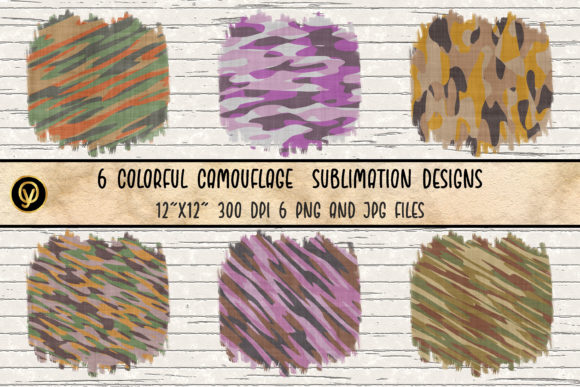
- High Resolution: Files are typically available at 300dpi resolution, ensuring sharp and clear visuals regardless of the application size.
- Transparent PNG Backgrounds: These allow for seamless integration into different design contexts, making them ideal for overlays, digital art, and layered compositions.
- Multiple File Formats: The availability of both PNG and JPG files ensures compatibility with a wide range of software and platforms, from graphic design tools to web development environments.
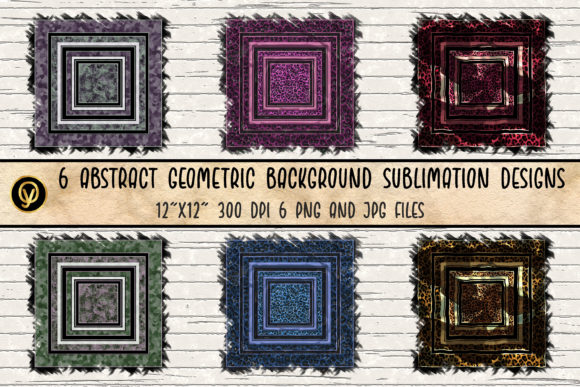
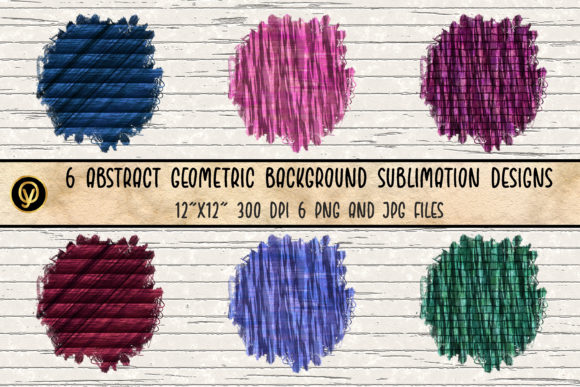
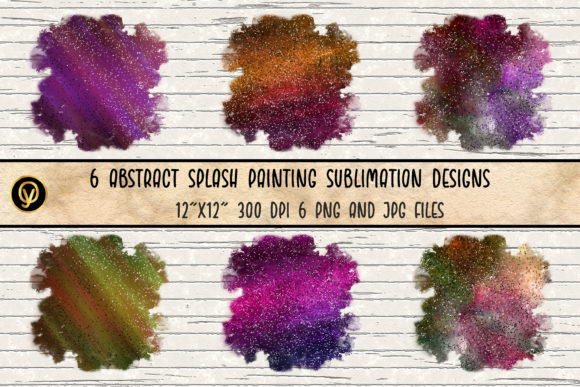
- Large Dimensions: With dimensions up to 12×12 inches (3600×3600 pixels), these designs offer flexibility for both small-scale and large-format projects.
Applications and Use Cases
Camouflage sublimation design is not limited to a single industry or product type. Its adaptability makes it suitable for a variety of creative and commercial applications. Some common use cases include:
- Fashion and Apparel: T-shirts, hoodies, and jackets featuring camouflage patterns can appeal to outdoor enthusiasts, military personnel, or those seeking a rugged aesthetic.
- Home Decor: Items such as pillows, wall art, and decorative packaging benefit from the boldness of camouflage patterns, adding a dynamic element to interior spaces.
- Marketing and Promotions: Banners, signage, and branded merchandise often utilize camouflage designs to stand out in visually cluttered environments.
- Digital Media: Web banners, social media graphics, and background images can leverage the contrast and texture of camouflage patterns to enhance visual interest.
Comparing Camouflage Sublimation Design with Other Options
While camouflage sublimation design offers distinct advantages, it is important to compare it with alternative approaches to determine the best fit for your specific needs. Here’s how it stacks up against other design and printing methods:
Traditional Screen Printing
Screen printing is a well-established method for applying patterns onto fabric or rigid surfaces. However, it lacks the level of detail and color accuracy that sublimation provides. Additionally, screen printing is less efficient for producing complex or multi-colored designs, especially when compared to the digital precision of sublimation.
Dye-Sublimation vs. Inkjet Printing
Dye-sublimation printing, which is what camouflage sublimation design relies on, produces more vibrant and durable results than standard inkjet printing. Inkjet prints tend to fade more quickly and may not adhere as well to certain substrates, particularly when exposed to heat or moisture.
Vector-Based Designs
For those working with vector-based software like Adobe Illustrator, camouflage sublimation design files may require conversion or adjustment to ensure they maintain their quality when scaled. While vector graphics offer scalability without loss of detail, raster-based sublimation files are better suited for maintaining the integrity of complex patterns.
Strengths and Limitations
No design option is perfect for every situation, and camouflage sublimation design is no exception. Understanding its strengths and limitations can help you decide whether it aligns with your project goals.
Strengths:
- High-quality, detailed imagery that retains clarity at any scale.
- Compatibility with a wide range of materials, including fabric, ceramics, metal, and plastic.
- Versatility in application, from fashion to home decor and digital media.
- Long-lasting results due to the sublimation process, which embeds the ink into the material rather than sitting on top of it.
Limitations:
- Requires access to sublimation printers and appropriate heat presses, which may not be available to all users.
- Limited to flat surfaces or materials that can withstand the sublimation process without warping or discoloring.
- Potential cost considerations for high-volume production runs, depending on equipment and material expenses.
When to Choose Camouflage Sublimation Design
Camouflage sublimation design is an excellent choice when you need a durable, high-resolution pattern that can be applied to a variety of surfaces. It is particularly well-suited for:
- Creating custom apparel for outdoor or military-related events.
- Designing promotional materials that require a bold, attention-grabbing visual.
- Producing home décor items that combine function with a distinctive look.
- Developing digital assets that need to maintain clarity and detail across different screen sizes.
However, if your project requires frequent resizing, extreme flexibility, or a more minimalist aesthetic, alternative design options may be more appropriate.
Conclusion
Camouflage sublimation design offers a compelling blend of durability, detail, and versatility, making it a strong contender for a wide range of creative and commercial applications. By understanding its strengths, limitations, and comparative advantages, you can determine whether it meets your specific needs or if another approach might be more suitable. As with any design choice, the key is to align the solution with your goals, budget, and technical capabilities to achieve the best possible outcome.