Exploring the Versatility of Abstract Watercolor Painting Backgrounds
The world of digital design and creative expression has seen a remarkable evolution, with abstract watercolor painting backgrounds emerging as a powerful tool for artists, designers, and creators across various industries. These high-quality backgrounds, often available in formats like JPG at 300 dpi in RGB color mode, offer a unique blend of artistry and functionality that can be applied to a wide range of projects. Whether you're designing promotional materials, creating custom merchandise, or enhancing your website's visual appeal, an abstract watercolor painting background can provide the perfect foundation.
Understanding the Characteristics of Abstract Watercolor Painting Backgrounds
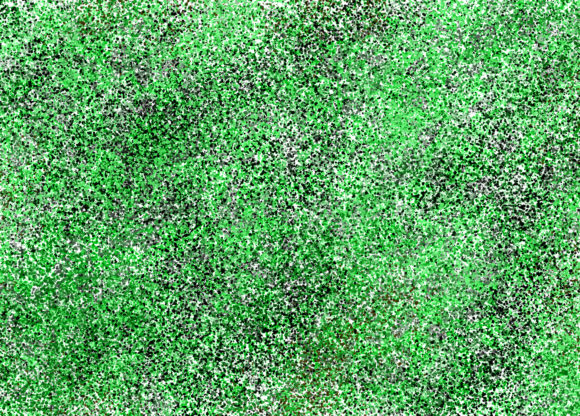
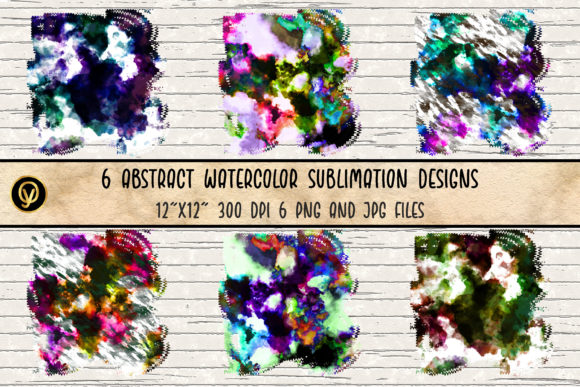
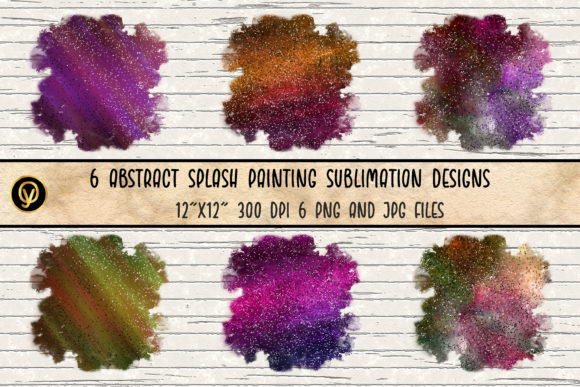
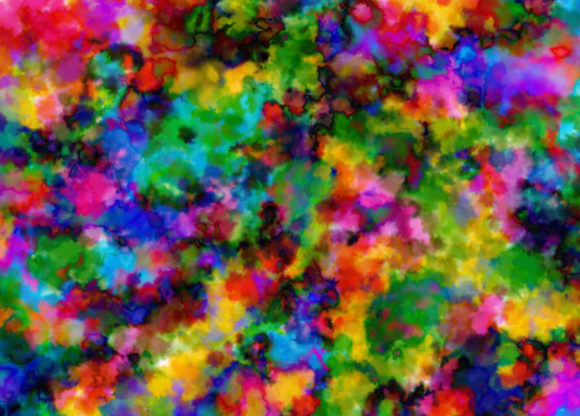
Abstract watercolor painting backgrounds are characterized by their fluid, organic shapes and soft, blended colors. Unlike traditional watercolor techniques that focus on realistic depictions, abstract versions prioritize emotion, texture, and visual interest. This makes them ideal for adding depth and dimension to any project without overwhelming the viewer.
One of the most notable features of these backgrounds is their resolution quality. With files available at 300 dpi, they ensure sharpness and clarity even when printed on high-resolution surfaces such as t-shirts, mugs, or banners. The RGB color mode also ensures vibrant and accurate color representation, making them suitable for both digital and print applications.
Advantages of Using Abstract Watercolor Painting Backgrounds
There are several advantages to incorporating abstract watercolor painting backgrounds into your creative workflow. First, they add a touch of elegance and sophistication to any design. Their versatility allows them to complement a wide range of themes and styles, from minimalist to bohemian.
Another significant benefit is their ability to enhance visual storytelling. By using these backgrounds, designers can evoke specific moods or emotions, which is particularly useful in branding, advertising, and social media content creation. For example, a soft pastel abstract background might be used to convey calmness and tranquility in a wellness brand’s marketing materials.
Additionally, these backgrounds are incredibly versatile in terms of application. They can be used as standalone elements or layered with other design components to create complex visuals. This adaptability makes them a valuable asset for professionals working in graphic design, web development, and craft industries.
Real-World Applications of Abstract Watercolor Painting Backgrounds
The use cases for abstract watercolor painting backgrounds are diverse and extend beyond traditional artistic mediums. Here are some practical examples of how these backgrounds can be utilized:
- T-Shirt Design: Incorporating an abstract watercolor background into t-shirt designs can give them a unique and eye-catching appearance. This is especially popular among independent fashion brands looking to stand out in a crowded market.
- Product Packaging: From coffee mugs to decorative plates, abstract watercolor backgrounds can elevate the aesthetic of product packaging, making it more appealing to consumers.
- Web Design: Websites often benefit from visually engaging backgrounds. An abstract watercolor background can serve as a subtle yet effective way to enhance the user experience without distracting from the main content.
- Social Media Graphics: In the age of digital marketing, having visually striking graphics is essential. Abstract watercolor backgrounds can help brands create cohesive and memorable social media posts that resonate with their audience.
Considerations When Choosing an Abstract Watercolor Painting Background
While abstract watercolor painting backgrounds offer numerous benefits, there are a few considerations to keep in mind when selecting one for your project. First, it's important to ensure that the background complements the overall design rather than overpowering it. A well-chosen background should enhance the message or theme of the design without drawing too much attention away from the primary content.
Another consideration is the file format and resolution. As mentioned earlier, choosing a high-resolution JPG file (300 dpi) is crucial for print applications. However, if the background is intended for digital use, a slightly lower resolution may be acceptable, depending on the platform's requirements.
Lastly, it's worth considering the licensing and copyright information associated with the background. Ensuring that you have the right to use the image for your intended purpose is essential to avoid legal issues down the line.
How to Integrate Abstract Watercolor Painting Backgrounds into Your Projects
Integrating an abstract watercolor painting background into your project can be a straightforward process, especially with the right tools and techniques. Here are some steps to help you get started:
- Select the Right Background: Choose a background that aligns with the theme and mood of your project. Consider factors such as color palette, texture, and composition.
- Adjust the Background: Depending on your design software, you may need to adjust the opacity, contrast, or brightness of the background to ensure it works well with the rest of your design elements.
- Layer Elements Carefully: If you're layering additional design elements over the background, make sure they don't clash or compete with the background. Use transparency or blending modes to achieve a harmonious look.
- Test Across Devices: Before finalizing your design, test it on different devices and screen sizes to ensure that the background looks good and functions well in all contexts.
By following these steps, you can effectively integrate an abstract watercolor painting background into your projects and take full advantage of its artistic and functional qualities.
Conclusion
In summary, abstract watercolor painting backgrounds offer a unique combination of artistic flair and practicality that can enhance a wide range of creative projects. Whether you're a professional designer or a hobbyist looking to express your creativity, these backgrounds provide a versatile solution that can be tailored to suit your needs. By understanding their characteristics, advantages, and potential applications, you can make informed decisions about how to incorporate them into your work and unlock new possibilities for your creative endeavors.