Lavender Logo Vector: Integrating Botanical Design into Professional Workflows
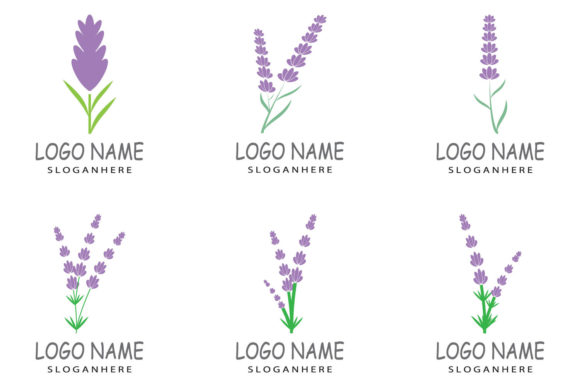
In the competitive landscape of branding and digital design, selecting the right visual asset is often the difference between a generic identity and a memorable one. A Lavender Logo Vector represents more than just a purple flower illustration; it is a strategic component that bridges the gap between organic beauty and structured business communication. For professionals ranging from freelance marketers to small business owners in the wellness sector, understanding how to integrate this specific graphic element into a broader workflow is essential for creating cohesive, high-quality outputs.
The utility of a vector-based lavender design extends far beyond simple decoration. Unlike raster images that pixelate when scaled, a vector file maintains its crispness across any medium, from a tiny mobile app icon to a massive outdoor banner. This scalability is a critical factor in the planning phase of any project. When a designer or entrepreneur begins the process of defining their brand identity, choosing a scalable floral emblem ensures that the visual language remains consistent regardless of where the logo appears. Whether the goal is to convey the soothing nature of aromatherapy or the elegance of a vintage wedding invitation, the lavender logo vector serves as a foundational building block.
Strategic Integration in the Creative Process
Implementing a botanical theme requires a thoughtful approach to the creative lifecycle. The journey typically begins with conceptualization, where the decision is made to align the brand with themes of nature, calm, and organic growth. At this stage, the selection of a specific lavender logo vector is not merely an aesthetic choice but a functional one. It dictates the color palette, the typography style, and the overall mood of the subsequent materials.
During the execution phase, the vector format offers unparalleled flexibility. Because the image is composed of mathematical paths rather than fixed pixels, designers can manipulate individual elements with precision. A hand-drawn leaf might be adjusted to sit perfectly beside a stylized blossom, or the shade of violet can be tweaked to match a specific Pantone code required by a printing vendor. This level of control is vital for maintaining quality control throughout the production pipeline. It allows for seamless adaptation whether the final output is a digital social media post, a printed label for cosmetic packaging, or an embroidered patch for a uniform.
Furthermore, the integration of such a graphic interacts heavily with other resources in a designer's toolkit. Modern design software relies on layers and groups, and a well-structured vector file fits effortlessly into these systems. When working on a comprehensive brand guideline document, the lavender floral element acts as a reference point for consistency. It helps ensure that every piece of collateral, from business cards to website headers, adheres to the same visual standards. This consistency builds trust with the audience, signaling professionalism and attention to detail.
Applications Across Diverse Industries
The versatility of a lavender-themed design makes it applicable to a wide array of sectors, each requiring a slightly different implementation strategy. In the cosmetics and skincare industry, the symbol often represents purity and natural ingredients. Here, the logo vector is frequently paired with minimalist typography and ample white space to emphasize the "clean" aspect of the product. The workflow involves placing the emblem prominently on the front of the bottle while ensuring the accompanying text remains legible at small scales.
For event planners and wedding coordinators, the lavender motif evokes romance and tranquility. In this context, the design process focuses on customization. The same vector file used for a product label can be adapted for stationery, such as save-the-date cards or menu boards. The ability to isolate specific parts of the illustration—such as a single sprig or a cluster of flowers—allows for dynamic layouts that feel both modern and timeless. This adaptability is crucial for meeting the unique demands of each client without compromising the core brand identity.
Even in the realm of digital content creation, the value of a high-quality vector asset cannot be overstated. Bloggers and educators who write about gardening, herbal remedies, or mental health often need visuals that resonate with their readers. A lavender icon can serve as a bullet point, a section divider, or a featured image thumbnail. By using vector graphics, these creators ensure that their articles look sharp on all devices, enhancing the user experience and reducing bounce rates caused by blurry imagery.
Technical Considerations and Workflow Efficiency
While the aesthetic appeal of a botanical design is obvious, the technical aspects of handling a Lavender Logo Vector are what truly impact efficiency. One of the primary advantages of the vector format is its editability. If a client requests a change in color or a slight alteration to the shape of the leaves, the designer can make these adjustments instantly without losing resolution. This capability streamlines the revision process, saving valuable time and reducing frustration for both the service provider and the client.
Organization is another key factor in managing these assets effectively. As projects grow, so does the library of graphical elements. Keeping a dedicated folder for vector illustrations, properly named and categorized, prevents wasted time searching for files. A well-organized system might include subfolders for "Icons," "Emblems," and "Full Logos," allowing for quick retrieval during the drafting phase. This organizational discipline supports long-term use, ensuring that assets remain accessible and usable years after they were first created.
Compatibility also plays a significant role in the decision-making process. Different platforms have varying requirements for file formats. While SVG is ideal for web development due to its lightweight nature and infinite scalability, EPS or AI files are often preferred for professional printing workflows. Understanding these distinctions allows professionals to prepare the correct versions of the lavender design for each specific task. This foresight prevents delays and ensures that the final product meets the highest standards of print and digital quality.
Enhancing Brand Perception Through Detail
The nuances of the lavender illustration contribute significantly to the perceived value of a brand. A simple, abstract representation might suit a modern tech startup looking to incorporate a touch of nature, whereas a detailed, vintage-style drawing could be perfect for a boutique perfume house. The choice of style communicates subtle messages about the company's values and heritage. When integrated thoughtfully, the botanical element becomes a silent ambassador for the brand, reinforcing the narrative of natural beauty and organic integrity.
In the context of packaging design, the interaction between the logo and the material is paramount. A vector file ensures that the lines remain sharp even when printed on textured paper or embossed onto plastic. This precision adds a tactile dimension to the product, elevating the unboxing experience for the consumer. For businesses selling essential oils or spa treatments, this attention to detail can be the deciding factor in customer loyalty. The visual promise of quality delivered through the logo translates into a perception of quality in the product itself.
Moreover, the use of a standardized vector asset facilitates collaboration among teams. When multiple designers work on a single project, having a master file for the lavender symbol ensures that everyone is working from the same source of truth. This reduces the risk of version conflicts and ensures that the final deliverable is cohesive. It also simplifies the training process for new team members, who can easily understand the structure and usage of the core brand elements.
Long-Term Value and Sustainability
Investing in a high-quality Lavender Logo Vector is a decision that pays dividends over time. Unlike temporary trends that fade quickly, botanical designs possess a timeless quality that keeps brands relevant for years. The association with nature and wellness is enduring, making it a safe and effective choice for long-term branding strategies. Additionally, the digital nature of vector files contributes to sustainability efforts by reducing the need for physical prototypes and minimizing waste during the design iteration process.
As businesses evolve, their visual identities may need to mature alongside them. A vector-based logo provides the necessary foundation for this evolution. Whether scaling up to international markets or pivoting to new product lines, the core design can be adapted without losing its essence. This flexibility ensures that the investment in the initial design remains valid, protecting the brand equity built over time. By prioritizing quality and adaptability from the start, professionals can create a visual identity that stands the test of time.
Ultimately, the successful integration of a lavender floral element depends on understanding its role within the larger ecosystem of a project. It is not just a picture to be placed on a page; it is a versatile tool that enhances communication, ensures consistency, and elevates the overall perception of the brand. By approaching the selection and application of these assets with a focus on practicality and strategic alignment, creators can unlock the full potential of their designs and achieve superior results in their respective fields.