Mandala Coloring Pages and Books 02: A Guide to Avoiding Common Pitfalls in Your Digital Design Projects
If you are looking to elevate your creative output, Mandala Coloring Pages and Books 02 offers a robust collection of intricate patterns designed for serious application. Whether you are a hobbyist seeking relaxation or an entrepreneur preparing merchandise for a new launch, the value lies not just in the visual appeal but in the versatility of the files provided. However, many users stumble when transitioning from a simple download to a finished product because they overlook critical details regarding file formats and usage rights. This guide focuses on helping you navigate these digital assets effectively, ensuring that your projects—from greeting cards to T-shirts—look professional and polished.
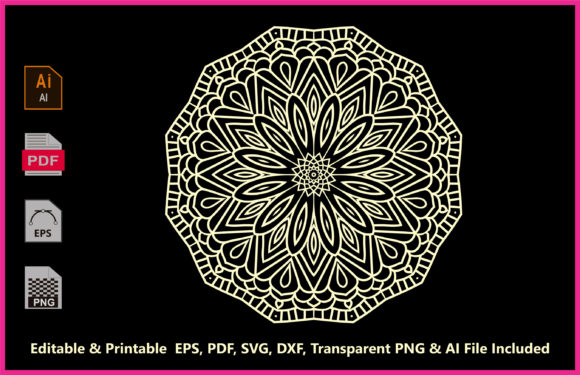
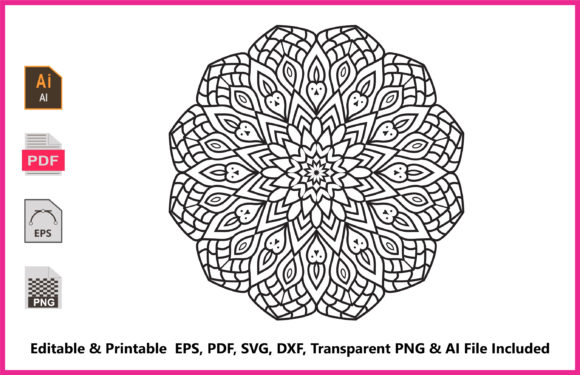
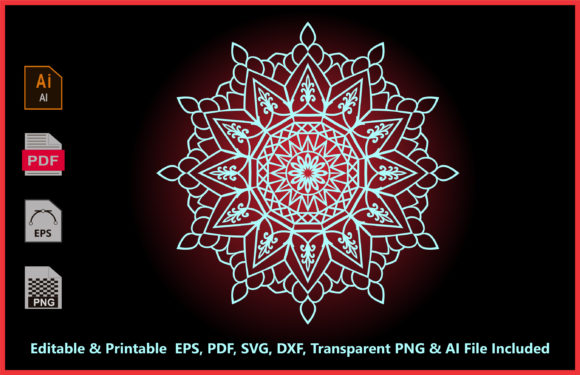
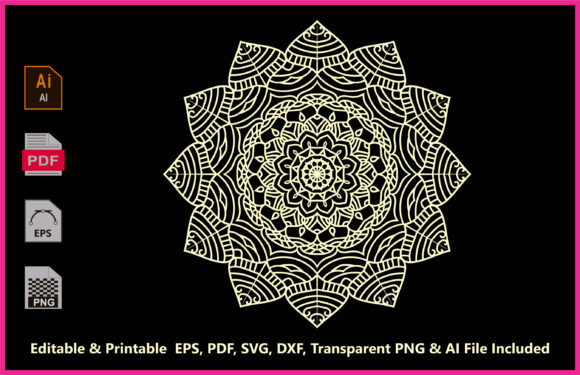
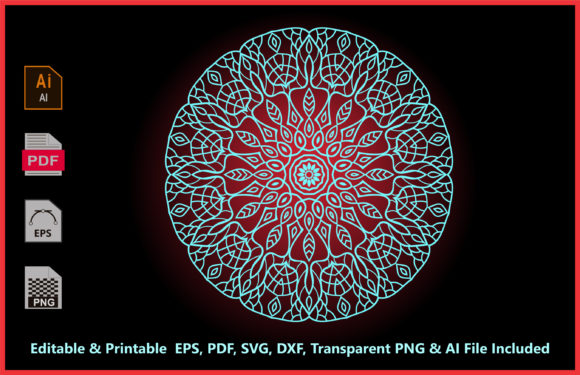
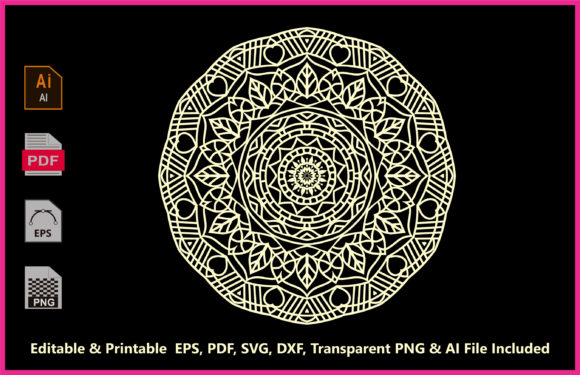
The core appeal of this collection is its adaptability. The designs feature complex curves, floral motifs, and traditional Islamic and Oriental ornamentation that serve as excellent backgrounds for meditation art or bold graphics for apparel. When you acquire this package, you are essentially getting a toolkit for multiple industries. You can create decorative elements for scrapbooks, design elegant wedding invitations, or produce high-quality stickers. The inclusion of specific keywords like Chakra, Henna, and Tribal indicates that the library covers a wide spectrum of aesthetic styles, making it suitable for diverse audiences ranging from yoga studios to bridal boutiques.
Navigating File Formats Without Compromising Quality
One of the most significant errors beginners make is assuming that all image files are created equal. When you purchase Mandala Coloring Pages and Books 02, you receive a compressed ZIP archive containing a variety of formats: AI, EPS, PNG, PDF, SVG, DXF, and JPG. Each serves a distinct purpose, and using the wrong one can ruin your project's quality.
- Vector Files (AI, EPS, SVG, DXF): These are essential for scaling. If you intend to print a mandala on a large poster or cut it out with a machine like a Cricut or Silhouette, you must use the vector files. Using a raster image like a JPG for cutting machines often results in jagged edges or failed cuts because the software cannot interpret the lines correctly.
- Raster Files (PNG, JPG): These are best for digital display or direct printing where resizing is minimal. High-resolution PNGs with transparent backgrounds are perfect for overlaying text on social media posts or creating digital coloring pages.
- Document Files (PDF): Ideal for standard printing workflows or sending ready-to-color sheets to clients without requiring them to have specialized design software.
A common mistake is attempting to edit a JPG file in Illustrator to convert it to a vector format automatically. While software can do this, the result is often messy with thousands of unnecessary anchor points. Instead, always open the original AI or EPS files provided in the ZIP folder to ensure clean, editable paths. This step saves hours of manual cleanup and ensures your final product maintains crisp lines regardless of size.
Extraction and Software Compatibility Issues
Another frequent hurdle occurs immediately after purchase: the extraction process. The files arrive in a single ZIP archive to save space and organize the download. Many users attempt to double-click the file expecting to see the contents immediately, only to be confused if their operating system does not handle compression natively or if they lack the necessary permissions.
To avoid data corruption or lost files, use dedicated extraction tools like WinRAR or WinZIP. Simply right-click the ZIP file and select "Extract Here" or "Extract to [Folder Name]." Once extracted, verify that all file types are present before opening them in your design software. If you are working on a Mac, ensure your version of Adobe Illustrator supports the specific file version included in the package; older software may fail to open newer EPS or AI files, forcing you to update or convert the file unnecessarily.
For those using cut machines, the DXF and SVG files are critical. Ensure your cutting software recognizes the coordinate system used in the design. Sometimes, designs come in at an odd scale, meaning your mandala might be intended to be 1 inch wide but appears as 10 inches on your screen. Always check the dimensions within your software before sending the job to the cutter to prevent wasting expensive materials like vinyl or cardstock.
Maximizing Versatility Across Different Products
The true power of Mandala Coloring Pages and Books 02 lies in its ability to transform into various physical goods. However, success depends on understanding the limitations of different printing methods. For instance, when designing for T-shirts or mugs, color separation is key. If you plan to use a sublimation printer, ensure your PNG files have the correct color profile (CMYK vs. RGB). Using an RGB file for CMYK printing can lead to dull, washed-out colors that fail to meet customer expectations.
Similarly, for embroidery or laser cutting, the line weight matters. A design that looks beautiful on a computer screen might become too thin to stitch or cut if not adjusted properly. Professionals often advise checking the stroke width of the SVG or DXF files and thickening them slightly before exporting for production. This small adjustment prevents broken lines in the final product, which is a common complaint in handmade merchandise reviews.
When creating party invitations or wedding stationery, the symmetry of the mandala plays a crucial role. These designs often rely on balance to convey elegance. Do not stretch or distort the images to fit a template, as this ruins the geometric integrity of the pattern. Instead, adjust the layout around the existing proportions of the mandala. This approach preserves the artistic intent and ensures the invitation looks professionally designed rather than hastily assembled.
Evaluating the Value Before You Commit
Before downloading or purchasing similar digital assets, consider your specific workflow needs. Are you a freelancer needing quick turnaround times? In that case, having access to both vector and raster files simultaneously allows you to pivot quickly between web graphics and print-ready documents. Are you a small business owner? The ability to use these files for wrapping paper, bags, and stickers means you can expand your product line without commissioning new artwork.
However, be mindful of licensing agreements. While these files offer extensive usage rights for personal and commercial projects, always verify the specific terms regarding resale. Some licenses allow you to sell the final printed product but prohibit reselling the digital files themselves as-is. Understanding this distinction protects you from legal issues and ensures ethical business practices.
Finally, take time to explore the full range of themes available. From Arabesque patterns to modern Floral arrangements, the collection is vast. Don't limit yourself to just one style. Mixing a traditional Islamic motif with a contemporary Yoga theme can create unique products that stand out in a crowded market. By taking the time to understand the technical requirements and creative possibilities of Mandala Coloring Pages and Books 02, you ensure that your investment translates into high-quality, satisfying results every time.