Mastering the Fabrics Pattern Template for Professional Design and Print
In the rapidly evolving landscape of textile design and digital art, the demand for high-quality, versatile assets has never been greater. A Fabrics Pattern Template serves as the foundational blueprint for creating cohesive, professional-grade designs that bridge the gap between abstract creativity and tangible product application. Whether you are a seasoned graphic designer seeking to expand your portfolio, a small business owner launching a new clothing line, or an educator teaching the principles of repeat patterns, understanding the utility of these templates is essential.
The modern design ecosystem relies heavily on vector-based workflows that allow for infinite scalability without loss of quality. This article explores the multifaceted nature of seamless pattern backgrounds, geometric frames, and vintage-inspired decorative sets. By examining the technical specifications, creative applications, and strategic advantages of using editable Ai files alongside high-resolution JPG outputs, we can better appreciate how these digital resources transform the production process.
The Architecture of Seamless Design
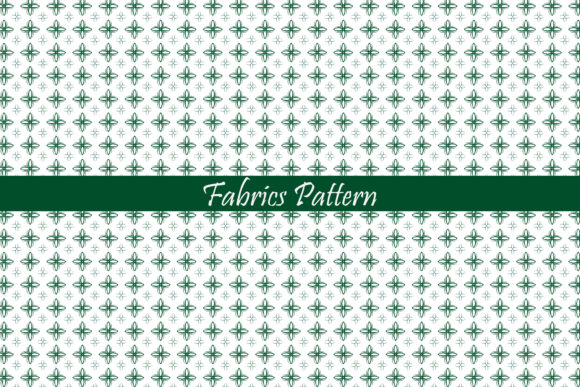
At the core of any effective textile design lies the concept of the seamless pattern background. Unlike standard images that terminate abruptly at the edges, a seamless pattern is engineered so that the left edge connects perfectly with the right, and the top aligns flawlessly with the bottom. This mathematical precision allows the design to tile infinitely across any surface area, making it indispensable for fabric printing, wallpaper creation, and web backgrounds.
When utilizing a Fabrics Pattern Template, designers gain access to pre-constructed logic that ensures this continuity. The template often includes abstract geometric frames that act as structural guides. These frames help maintain visual balance and rhythm within the composition. For instance, a geometric frame might dictate where a floral motif should sit relative to a border, ensuring that when the pattern repeats, the eye perceives a continuous flow rather than disjointed blocks.
The versatility of these structures cannot be overstated. They support a wide array of aesthetic styles, from the clean lines of modern minimalism to the ornate details of vintage aesthetics. A vintage seamless pattern, for example, might utilize intricate scrollwork and muted color palettes to evoke a sense of nostalgia, while a contemporary geometric set focuses on bold shapes and high contrast. Both styles rely on the same underlying technical framework provided by the template to ensure print readiness.
Vector Illustration and Editability
One of the most significant advantages of a high-quality digital package is the inclusion of editable vector files. Typically provided in Ai File format (Adobe Illustrator), these documents allow professionals to manipulate individual elements without degrading image quality. This capability is crucial for customization. A designer might take a generic stylish decorative label set and alter the typography to match a specific brand identity, or adjust the color scheme of a geometric frame to align with seasonal trends.
The vector nature of these assets means that scaling up a design for a massive billboard or scaling down for a small accessory tag results in crisp, sharp edges every time. There is no pixelation, which is a common pitfall when working solely with raster images. This flexibility empowers creators to experiment freely, testing different layout variations before committing to the final print run.
Technical Specifications for Print Excellence
For professionals moving from screen to print, resolution is a non-negotiable metric. The standard requirement for commercial textile printing is a resolution of 300 dpi (dots per inch). This density ensures that the printed fabric captures fine details, smooth gradients, and crisp text without appearing blurry or jagged. A robust Fabrics Pattern Template package addresses this need by providing both vector sources and rasterized versions ready for immediate use.
The inclusion of JPG File formats at 300 dpi offers a practical solution for users who may not have advanced vector editing software or who need to deliver files quickly to printers who require standard image formats. These high-resolution rasters are perfect for direct-to-fabric printing processes, such as sublimation or screen printing, where the file needs to be uploaded directly to a RIP (Raster Image Processor) system.
The combination of editable vectors and high-res rasters creates a comprehensive workflow. A designer can start with the Ai File to make precise adjustments to the layout, colors, and scale. Once satisfied, they can export the final version as a 300 dpi JPG for submission. This dual-format approach minimizes errors and streamlines the path from concept to finished product.
Instant Download and Workflow Efficiency
In the fast-paced world of e-commerce and creative services, time is a valuable currency. The promise of an instant download via a convenient Zip folder significantly enhances productivity. Instead of waiting days for physical media or navigating complex licensing portals, designers receive a complete toolkit immediately. This Zip folder typically contains organized subdirectories, separating the source files from the preview images and documentation.
This organization is critical for maintaining order in large projects. Imagine a scenario where a fashion house is preparing a collection for a runway show. Having a structured folder with clearly labeled layers in the Ai File allows the team to quickly isolate specific motifs, change the color palette for a different season, or extract individual elements for marketing materials. The efficiency gained from a well-structured digital product translates directly into cost savings and faster time-to-market.
Diverse Applications Across Industries
The utility of a Fabrics Pattern Template extends far beyond the realm of traditional textiles. While the primary use case remains fabric printing for garments, upholstery, and home decor, the adaptability of these designs opens doors to numerous other industries. The abstract geometric frame, for example, is frequently repurposed for packaging design, book covers, and digital presentations.
- Apparel and Fashion: Designers use these templates to create unique prints for dresses, shirts, and accessories. The ability to edit the Ai File allows for rapid prototyping of collections, enabling brands to test market response with limited runs before mass production.
- Interior Design: Architects and interior decorators utilize vintage seamless patterns for custom wallpapers, curtains, and cushions. The 300 dpi resolution ensures that large-scale wall coverings look pristine and detailed.
- Stationery and Publishing: The stylish decorative label set is ideal for adding a touch of elegance to wedding invitations, business cards, and scrapbooking projects. The vector nature allows for easy integration of personal names or dates.
- Digital Media: Web developers and UI/UX designers employ seamless pattern backgrounds for website headers, blog posts, and social media graphics. The lightweight JPG versions load quickly while maintaining visual impact.
Educators also find immense value in these resources. In design courses, students can study the construction of a pattern by opening the Ai File and observing how the artist built the composition. They can deconstruct the layers, understand the hierarchy of elements, and learn how to achieve a balanced repeat. This hands-on learning experience is superior to simply viewing static images.
Considerations for Business Owners
For entrepreneurs looking to launch a private label brand, sourcing high-quality assets is a strategic decision. Using a professional Fabrics Pattern Template ensures that the final product meets industry standards. It eliminates the need to hire expensive freelancers for basic pattern creation, allowing the business owner to focus on branding and sales. However, it is important to verify the licensing terms associated with the download. Most reputable providers grant a license for commercial use, but some may restrict redistribution of the raw files.
Furthermore, the consistency of the pattern is key to brand recognition. By sticking to a cohesive style—perhaps a specific type of geometric frame or a recurring vintage motif—businesses can build a recognizable visual identity. The editable nature of the Ai File supports this long-term strategy by allowing for minor tweaks that keep the brand fresh without losing its core aesthetic.
Implementing Geometric and Vintage Styles
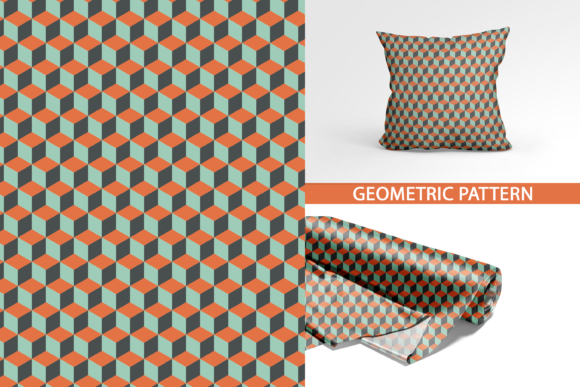
Selecting the right style depends heavily on the target audience and the intended medium. Geometric frames offer a modern, structured look that appeals to contemporary consumers. These designs often feature repeating triangles, circles, or hexagons that create a sense of movement and energy. When applied to activewear or tech accessories, they convey a message of innovation and precision.
Conversely, vintage seamless patterns tap into emotional connections and nostalgia. These designs often incorporate organic shapes, florals, and classic typography. They are particularly effective in the luxury goods sector, where heritage and craftsmanship are highly valued. A vintage pattern used on silk scarves or high-end bedding adds a layer of sophistication that resonates with discerning buyers.
The transition between these styles is often smoother than one might expect. Many Fabrics Pattern Template packages include hybrid designs that blend geometric structure with organic flourishes. This fusion allows designers to create unique compositions that stand out in a crowded marketplace. By manipulating the opacity or blending modes in the Ai File, a designer can soften the harshness of a geometric frame or add rigidity to a soft vintage motif.
The Role of Color and Composition
While the structure of the pattern is vital, color plays an equally important role in the final perception. The 300 dpi JPG files provide a true representation of the color values, helping designers choose palettes that work well in print. CMYK conversion is a necessary step for physical printing, and having a high-quality source file ensures that color shifts are minimized during this process.
Composition is another factor influenced by the template. The abstract geometric frame acts as a container, guiding the viewer's eye through the design. A well-composed pattern creates a rhythm that is pleasing to the eye, preventing visual fatigue even when the pattern is repeated over a large area. This rhythmic quality is what separates amateur designs from professional ones.
Future Trends in Digital Pattern Assets
As technology advances, the expectations for digital assets continue to rise. We are seeing a shift towards more sustainable design practices, where digital sampling reduces the need for physical prototypes. The Fabrics Pattern Template fits perfectly into this eco-friendly workflow. By designing digitally and only producing samples once the design is finalized, waste is significantly reduced.
Additionally, the integration of augmented reality (AR) is beginning to influence how patterns are viewed and sold. Consumers can now visualize how a fabric will look in their home before purchasing. High-resolution, accurately colored JPG files are the backbone of these AR experiences. As the metaverse and virtual fashion grow, the demand for scalable, high-quality vector patterns will likely increase, further cementing the importance of tools like the Ai File and 300 dpi rasters.
The evolution of these templates also points towards greater interactivity. Future iterations may include interactive layers that respond to user input or dynamic color swapping tools embedded directly within the file structure. For now, the current standard of editable vectors and high-res rasters provides a solid foundation for meeting the diverse needs of the global design community.
Conclusion
The journey from a blank canvas to a finished textile product is paved with technical expertise and creative vision. A Fabrics Pattern Template acts as a catalyst in this process, offering the structural integrity and flexibility needed to bring ideas to life. Whether through the precision of a geometric frame or the charm of a vintage seamless pattern, these digital assets empower creators to produce work that is both beautiful and functional.
By leveraging the capabilities of Ai File editing and 300 dpi JPG output, professionals can ensure their work stands up to the rigorous demands of commercial printing. The instant download convenience and the breadth of applications make these templates an invaluable resource for anyone involved in design, education, or manufacturing. As the industry continues to innovate, the foundational role of these pattern templates remains constant, serving as the bedrock upon which future designs are built.