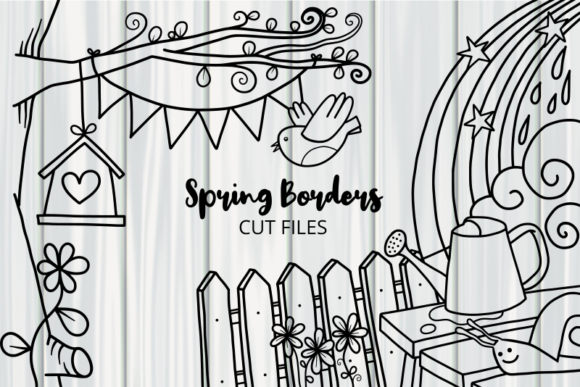
Spring Borders Cut Files Line Art: The Ultimate Guide to Versatile Vector Design Elements
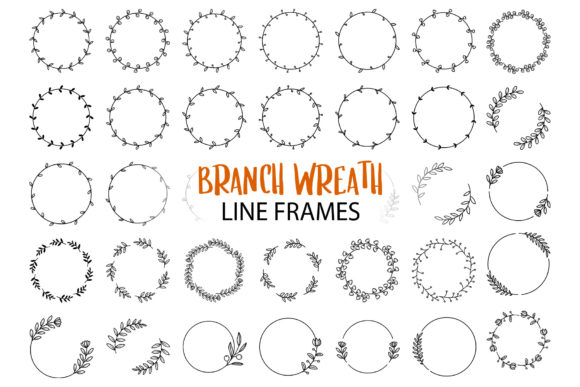
In the rapidly evolving landscape of digital design and crafting, the demand for high-quality, adaptable assets has never been higher. Among the most sought-after resources are Spring Borders Cut Files Line Art, which serve as the foundational backbone for a myriad of creative projects. These decorative design elements are not merely simple lines; they are sophisticated vector graphics that bridge the gap between artistic expression and technical precision. Whether you are a professional graphic designer seeking clean aesthetics or a hobbyist looking to add a seasonal touch to handmade cards, understanding the utility of these black line-only assets is crucial.
The core value of this collection lies in its versatility. By offering a comprehensive suite of formats including EPS, SVG, DXF, JPG, and PNG, the resource caters to a diverse ecosystem of software and hardware. This multi-format approach ensures that the intricate details of spring-themed doodles remain crisp and scalable, regardless of the output medium. From large-scale commercial signage to delicate paper crafts, the ability to manipulate these files without losing quality is what defines their professional appeal.
The Technical Architecture of Digital Cut Files
To fully appreciate the utility of Spring Doodle Borders – Clip Art Cut Files, one must first understand the file structures that make them functional. The inclusion of eight distinct vector formats—EPS, SVG, and DXF—provides a robust framework for different workflows. Each format serves a specific purpose within the design pipeline, ensuring compatibility across various platforms.
- EPS (Encapsulated PostScript): As an Inkscape-compatible vector format, EPS is ideal for users who require precise control over path data. It allows designers to open, edit, and modify the line art within professional desktop publishing environments. The black line-only nature of these images ensures that they can be easily recolored or integrated into complex layouts without interfering with existing color schemes.
- SVG (Scalable Vector Graphics): For those utilizing modern cutting machines like Cricut, Silhouette, and Brother, the SVG format is the gold standard. These files contain the necessary code for the machine to interpret paths and cut lines accurately. The scalability of SVG means that a border designed for a business card can be expanded to a banner without any pixelation or loss of detail.
- DXF (Drawing Exchange Format): Essential for users working with AutoCad and Graphtec plotters, DXF files facilitate industrial-grade precision. This format is particularly valuable for architects, engineers, and manufacturers who need to integrate decorative borders into technical drawings or large-format plots.
The provision of eight files in each category signifies a complete set of variations. This variety allows creators to select the exact style that fits their project's tone, whether it be whimsical, formal, or minimalist. The absence of color in the source files is a deliberate design choice that maximizes flexibility. Since there are no colour images in this set, the user retains full authority over the final aesthetic, applying watercolor ink color versions or solid fills as needed.
Applications Across Creative Industries
The practical application of Spring Borders Cut Files Line Art extends far beyond simple decoration. Professionals and educators alike utilize these elements to enhance communication and visual storytelling. The line art style, characterized by its clean and uncluttered appearance, makes it suitable for contexts where clarity is paramount.
Commercial Branding and Marketing
Business owners often struggle to find imagery that resonates with seasonal themes without appearing generic. Spring borders provide a perfect solution for marketing materials. Imagine a real estate agent sending out a "New Beginnings" flyer; incorporating a subtle spring border adds a layer of warmth and approachability to the message. Because the files are available in high-resolution JPG and PNG formats, they are also suitable for printing on physical collateral such as brochures, letterheads, and packaging. The transparent background of the PNG files ensures that the borders blend seamlessly onto any background color or texture.
Education and Instructional Design
Educators constantly seek ways to make learning materials more engaging. Spring Doodle Borders – Clip Art Cut Files offer teachers a tool to create visually appealing worksheets, certificates, and classroom decorations. The line art style is particularly effective for coloring activities, allowing students to engage with the content creatively. Furthermore, the availability of cut files enables schools to produce durable, tactile learning aids using vinyl or cardstock, enhancing the sensory experience of the classroom environment.
Event Planning and Personalization
Hobbyists and event planners rely on these assets to create personalized invitations and party favors. The ability to cut these designs using home crafting machines opens up a world of possibilities for customizing wedding stationery, baby shower decorations, and birthday banners. The specific mention of watercolor ink color versions being available separately highlights a modular approach to design, allowing users to mix and match styles to achieve a unique look.
Advantages of Black Line-Only Design
One might wonder why a design asset would be released exclusively in black line art. The answer lies in the principle of adaptability. By providing images in black line only, the creator removes the constraint of pre-determined colors. This is a significant advantage for professionals who work within strict brand guidelines or for artists who wish to apply their own unique color palettes.
The process of adding color becomes a creative opportunity rather than a limitation. A designer can take a single black line border and generate ten different versions by applying gradients, textures, or patterns. This workflow efficiency is invaluable for businesses that need to produce multiple variations of a design quickly. Additionally, the simplicity of the line art ensures that the focus remains on the content within the frame, preventing the border from overwhelming the text or central image.
The transparency of the PNG files further enhances this flexibility. When printed, these transparent backgrounds ensure that the border sits perfectly on top of colored paper or textured surfaces without leaving unsightly white boxes around the edges. This feature is critical for high-end printing applications where attention to detail is non-negotiable.
Workflow Integration and Implementation
Integrating these digital assets into a production workflow requires a strategic approach. The journey from raw file to finished product involves several steps, each optimized by the specific format chosen.
- Selection and Editing: The process begins by selecting the appropriate vector format based on the intended output device. If the goal is to print directly, the JPG or PNG files are optimal. For cutting, the SVG or DXF files are required. Once selected, the file is opened in the relevant software, such as Inkscape for editing or Cricut Design Space for cutting preparation.
- Customization: At this stage, the user applies their desired modifications. This could involve resizing the border to fit a specific layout, changing the stroke weight, or applying a fill color if the project calls for it. The vector nature of the files ensures that these changes do not degrade the image quality.
- Preparation for Output: Before sending the file to a printer or cutting machine, it is essential to verify the settings. For cutting machines, this involves checking the mat alignment and blade depth. For printers, color profiles and resolution checks are necessary to ensure the final print matches the digital preview.
- Production: The final step is the physical creation of the item. Whether it is a vinyl decal applied to a laptop or a printed invitation mailed to a client, the quality of the original vector file dictates the success of the final product.
This structured workflow demonstrates how Spring Borders Cut Files Line Art can be seamlessly incorporated into both small-scale DIY projects and large-scale commercial operations. The consistency of the design elements across all eight formats ensures that the creative vision remains intact throughout the entire process.
Considerations for Long-Term Use
While the immediate benefits of these clip art cut files are evident, there are long-term considerations for anyone investing in digital assets. The durability of the file formats plays a key role in future-proofing designs. Vector formats like EPS and SVG are inherently scalable, meaning that a design created today can be used for a project next year without needing to be redrawn or resampled.
Additionally, the licensing and usage rights associated with these files are important factors. Understanding the terms of use ensures that creators can legally incorporate the designs into their products, whether for personal gifts or commercial resale. The availability of multiple formats suggests a level of professionalism in the product offering, indicating that the creator understands the diverse needs of the market.
The existence of watercolor ink color versions in the store alongside the black line art indicates a commitment to providing a comprehensive ecosystem of design tools. This allows users to start with the structural foundation of the line art and build upon it with color, creating a cohesive and layered aesthetic. This modularity encourages experimentation and innovation, pushing the boundaries of what can be achieved with simple decorative elements.
Conclusion on Versatility and Value
The Spring Borders Cut Files Line Art collection represents a convergence of artistic beauty and technical functionality. By offering eight distinct vector formats and supporting both digital and physical production methods, these assets empower a broad audience of creators. From the precision required in architectural plotting to the whimsy needed in children's party invitations, the applications are as varied as the imagination itself.
The decision to release these images in black line only is a testament to the belief that true design lies in the structure and composition, not just the color. It invites the user to become a co-creator, adding their own voice to the template provided. As the digital crafting industry continues to grow, the demand for high-quality, flexible, and reliable assets will only increase. This set stands ready to meet that demand, providing a solid foundation for countless creative endeavors.
Ultimately, the value of these Spring Doodle Borders – Clip Art Cut Files is measured by their ability to simplify the creative process while elevating the final result. They are more than just decorative lines; they are the building blocks of visual communication in the spring season. Whether used to frame a heartfelt message, define a brand identity, or inspire a new project, these files offer the reliability and quality that professionals and enthusiasts alike deserve.