The Artistry of a Hand Drawn Floral Invitation Card Set for Modern Celebrations
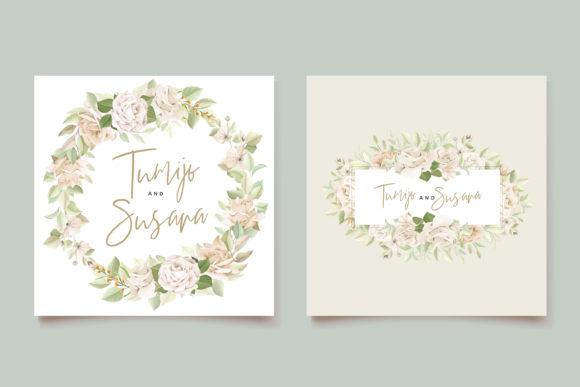
In an era where digital communication often dominates, the tactile experience of receiving a physical invitation remains one of the most powerful ways to set the tone for a significant event. Among the myriad of design options available, the hand drawn floral invitation card set has emerged as a timeless choice that bridges the gap between rustic charm and high-end elegance. This specific style of stationery is not merely about printing images; it is about capturing the organic imperfection and delicate beauty of nature through illustration. Whether for a wedding, an anniversary, or a sophisticated garden party, these designs offer a unique visual language that speaks of romance, nature, and thoughtful curation.
The appeal of this design aesthetic lies in its ability to transform a simple piece of paper into a work of art. Unlike mass-produced templates that can feel generic, hand-drawn elements introduce a layer of intimacy and craftsmanship. The soft strokes of watercolor, the intricate details of botanical leaves, and the romantic curves of blooming roses create a narrative before a single word is read. For professionals, educators, and hobbyists alike, understanding the nuances of this design trend provides valuable insight into current market preferences and the enduring power of analog aesthetics in a digital world.
The Aesthetic Foundation: Watercolor and Botanical Illustration
At the heart of every exquisite invitation lies the technique used to render the imagery. The watercolor medium is particularly favored for its fluidity and transparency. When applied to floral subjects, watercolor allows colors to bleed softly into one another, mimicking the way light interacts with petals in a real garden. This creates a delicate and elegant background that feels airy and fresh, perfect for spring and summer celebrations.
Complementing the watercolor washes are the precise lines of botanical illustration. These illustrations often feature detailed renderings of greenery, such as eucalyptus branches, ferns, and other foliage. The contrast between the soft, diffused colors of the flowers and the sharp, defined lines of the leaves adds depth and structure to the design. This combination ensures that the invitation does not look flat but rather possesses a three-dimensional quality that invites the eye to explore.
- Natural Color Palettes: Designers frequently utilize natural tones like sage green, dusty pink, and muted gold to evoke a sense of rustic luxury.
- Organic Composition: Elements are rarely symmetrical. Instead, they flow organically, creating a frame or border that guides the viewer's attention to the text without feeling restrictive.
- Texture and Depth: The use of vector graphics combined with raster textures allows for crisp printing while maintaining the artistic feel of a painting.
Design Elements That Define Elegance
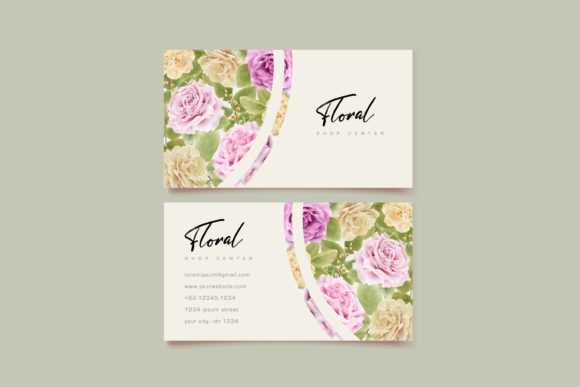
When analyzing a successful hand drawn floral invitation card set, one must look beyond the flowers themselves. The arrangement of elements—flowers, leaves, and branches—creates a cohesive visual identity. A common motif is the bouquet design, where various blooms are gathered together to symbolize abundance and unity. This is particularly relevant for weddings, where the gathering of families and friends is central to the celebration.
The concept of a border is also critical. Rather than a rigid square line, the border in these designs is often formed by intertwining vines and leaves. This decorative frame serves to contain the information while simultaneously expanding the visual space, making the text appear to float within a garden setting. The inclusion of gold accents, whether in the typography or as subtle highlights on the leaves, elevates the design from casual to formal, adding a touch of romantic sophistication.
Furthermore, the choice of typography plays a pivotal role in balancing the busy nature of the illustrations. Script fonts are often paired with serif typefaces to ensure readability while maintaining the vintage feel. The goal is to create a harmonious balance where the pattern supports the message rather than overwhelming it. This balance is essential for any card intended to convey important details about dates, times, and locations clearly.
Practical Applications Across Different Events
While the hand drawn floral invitation card set is most commonly associated with weddings, its versatility extends far beyond the aisle. The same principles of design apply to a wide range of life events, each requiring a slightly different interpretation of the theme.
Weddings and Anniversaries
For weddings, the invitation is the first glimpse guests have of the couple's vision. A set featuring rose motifs and eucalyptus suggests a classic, perhaps countryside, wedding theme. For anniversaries, particularly milestone ones, the design might lean more towards vintage styles with richer, deeper colors to reflect the passage of time and the endurance of the relationship. The greeting and save the date cards often mirror the main invitation, ensuring a consistent brand identity throughout the entire planning process.
Seasonal Gatherings and Parties
The adaptability of floral themes makes them ideal for seasonal events. In the spring, invitations might feature cherry blossoms and tulips, signaling renewal and new beginnings. For summer parties, bright sunflowers or lush tropical foliage can be used to convey warmth and energy. Even corporate events or educational workshops can benefit from a botanical theme if the goal is to foster a relaxed, creative atmosphere. The poster or graphic elements used in these contexts often retain the artistic integrity of the original hand-drawn sketches.
Rustic and Outdoor Celebrations
There is a strong synergy between rustic decor and floral illustrations. Venues like barns, vineyards, and gardens naturally complement the nature-inspired designs. The decoration of the venue often mirrors the invitation, creating an immersive experience for the guest. When the invitation features a branch or a cluster of leaves, it sets the expectation for an outdoor or semi-outdoor setting where natural elements will play a prominent role.
Technical Considerations for Creators and Consumers
Understanding the technical aspects of these designs is crucial for both the creators who produce them and the consumers who purchase them. The transition from a hand drawn sketch to a final printed product involves several steps that impact the quality and longevity of the card.
Resolution and Scalability: High-quality hand drawn floral invitation card sets are typically created using vector graphics software. This ensures that the images remain crisp regardless of the size they are printed. Whether the design is scaled down for a small save the date note or blown up for a large poster, the illustration retains its clarity. This scalability is a key advantage over low-resolution raster images that may become pixelated when printed.
Color Accuracy: The watercolor effect relies heavily on color harmony. Digital proofs are essential to ensure that the pink, green, and gold hues translate accurately from screen to paper. Different paper stocks can alter the appearance of colors; a matte finish may absorb ink differently than a glossy stock, affecting the vibrancy of the flower petals. Professionals advise testing samples before committing to a large print run.
Paper Selection: The texture of the paper is just as important as the design itself. Thick, textured cardstock enhances the hand drawn feel, giving the invitation a substantial weight that feels luxurious. Recycled papers or those with a cotton blend can further emphasize the natural and eco-friendly aspects of the botanical theme.
The Psychological Impact of Floral Imagery
Why do we gravitate toward floral designs? The answer lies in the psychological connection humans have with nature. Studies in environmental psychology suggest that exposure to natural patterns, even in two-dimensional forms like graphics and art, can reduce stress and induce feelings of calm and well-being. By incorporating foliage and plant motifs into an invite, designers tap into this innate preference.
This connection is particularly potent for celebrations. An invitation adorned with beautiful flowers sets a positive emotional tone before the event even begins. It suggests a gathering that is rooted in growth, beauty, and harmony. For the recipient, holding a hand drawn floral invitation card set provides a moment of pause and appreciation, a break from the digital noise of daily life. It transforms the act of RSVPing from a chore into a cherished ritual.
Trends and Future Directions in Stationery Design
The landscape of invitation design is constantly evolving, yet the core appeal of the hand drawn floral invitation card set remains steadfast. Current trends show a move towards more personalized and bespoke designs. Clients are increasingly seeking out artists who can customize patterns to include specific flowers that hold personal significance, such as the bride's favorite rose or a plant native to their hometown.
Additionally, there is a growing interest in sustainable practices within the industry. This includes using soy-based inks, recycled materials, and digital proofs to minimize waste. The digital aspect of modern design also allows for greater experimentation with mixed media, combining traditional watercolor techniques with digital overlays to create unique textures.
As we look forward, the integration of technology with traditional art forms will likely continue. Augmented reality (AR) could allow recipients to scan a card and see the flowers bloom on their screens, adding a dynamic layer to the static image. However, despite these technological advancements, the fundamental desire for human touch and artistic expression will always favor the elegance of a hand-crafted design.
Conclusion: Embracing the Beauty of Imperfection
In conclusion, the hand drawn floral invitation card set represents more than just a design trend; it is a testament to the enduring value of artistry and nature in our lives. From the delicate strokes of a watercolor brush to the structured elegance of a botanical frame, every element contributes to a story of celebration. Whether for a grand wedding, a quiet anniversary, or a casual gathering, these invitations offer a tangible way to honor the occasion.
For creators, understanding the interplay of design, illustration, and technology is key to producing works that resonate. For consumers, appreciating the effort and skill behind these designs enriches the experience of receiving them. Ultimately, the beauty of a floral invitation lies in its ability to capture a fleeting moment of joy and preserve it in a form that is both visually stunning and emotionally resonant. As we continue to navigate a fast-paced digital world, the romantic and natural allure of these cards serves as a gentle reminder to slow down and appreciate the details.