Flowers Patterns: A Strategic Tool for Design, Branding, and Creative Expression
Flowers patterns are more than just decorative elements—they are powerful design assets that can elevate visual communication, enhance branding, and support creative projects across various industries. Whether you're designing a textile collection, creating digital illustrations, or developing marketing materials, the thoughtful use of flowers patterns can add depth, elegance, and a sense of natural beauty to your work. This article explores how flowers patterns can be strategically used to achieve specific goals, from improving customer experience to enhancing product appeal.
The Strategic Value of Flowers Patterns in Design
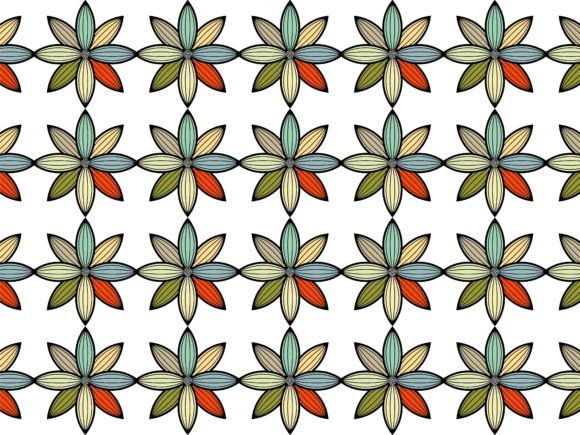
Flowers patterns offer a unique blend of aesthetics and functionality. They are versatile, adaptable, and can be tailored to fit a wide range of applications, including fashion, interior design, graphic design, and digital media. The inclusion of high-resolution formats such as EPS, PNG, SVG, and transparent backgrounds makes these patterns suitable for both print and digital use, ensuring clarity and quality at 300 dpi resolution.
When used strategically, flowers patterns can help reinforce brand identity. For instance, a floral pattern with soft pastel tones may convey a sense of calm and sophistication, making it ideal for wellness brands or luxury skincare products. On the other hand, bold and colorful floral designs can evoke energy and vibrancy, aligning well with lifestyle or fashion brands targeting younger audiences.
Consider the context in which the pattern will be used. If the goal is to create a seamless textile design, the repeatable nature of the pattern is essential. Similarly, if the pattern is intended for a wallpaper or fabric print, the texture and detail must complement the overall aesthetic without overwhelming the viewer.
Planning Your Use of Flowers Patterns
Before incorporating flowers patterns into your project, it's important to define clear objectives. Are you aiming to create a cohesive brand identity? Enhance the visual appeal of a product? Or simply add an artistic touch to a design? Understanding your goals will guide your choice of pattern style, color palette, and application method.
One practical approach is to start with a mood board or visual reference that captures the desired tone and aesthetic. This can include images of botanical art, vintage illustrations, or modern abstract designs. By aligning your pattern choices with this visual direction, you ensure consistency and coherence in your final output.
Another consideration is the target audience. A pattern featuring delicate roses and intricate outlines may resonate more with a romantic or vintage-themed brand, while a simple, geometric floral design might appeal to a minimalist or contemporary audience. Tailoring your pattern selection to your audience’s preferences can significantly impact engagement and brand perception.
Use Cases and Practical Applications
Flowers patterns find their way into numerous industries and use cases. In the fashion industry, they are often used for fabric prints, embroidery, and accessory designs. In interior design, they can be incorporated into textiles, wall coverings, and decorative elements to create a warm and inviting atmosphere.
For digital designers, flowers patterns are commonly used in web design, app interfaces, and social media graphics. Their ability to add visual interest without distracting from the main content makes them a valuable asset in user interface (UI) and user experience (UX) design. A subtle floral background, for example, can enhance the visual hierarchy of a webpage while maintaining a clean and professional look.
In the world of branding, flowers patterns can be used to create unique logos, packaging designs, and promotional materials. A well-designed floral logo can communicate elegance, nature, and creativity—qualities that are highly desirable in many industries.
Strategic Considerations and Risks
While flowers patterns offer numerous benefits, there are also potential risks to consider. One common pitfall is using a pattern without a clear purpose or context. A floral design that doesn’t align with the brand’s identity or the project’s goals can appear out of place or even unprofessional.
Another risk is overcomplicating the design. While detailed and intricate patterns can be visually appealing, they may also overwhelm the viewer or obscure the primary message. It's important to strike a balance between complexity and simplicity, ensuring that the pattern enhances rather than detracts from the overall design.
Additionally, copyright and licensing issues should not be overlooked. When using pre-made flower patterns, it's crucial to ensure that you have the appropriate rights to use them in your project. This includes understanding the terms of use, restrictions, and any required attribution.
How to Approach Using Flowers Patterns Intentionally
To use flowers patterns intentionally, begin by defining your project’s purpose and audience. Next, research and select patterns that align with your brand’s values and visual language. Consider factors such as color, texture, and composition to ensure the pattern complements the overall design.
Experiment with different variations of the pattern to see how it works in different contexts. For example, a pattern with a white line outline may work well on a dark background, while a solid-colored pattern might be more effective on a light background. Testing and refining your choices can lead to better results and a more polished final product.
Finally, always evaluate the impact of the pattern on your audience. Does it enhance the message or experience? Does it align with the brand’s identity? These questions can help ensure that your use of flowers patterns is both strategic and effective.
Conclusion
Flowers patterns are a versatile and valuable tool for designers, marketers, and creators looking to enhance their visual communication and brand identity. When used thoughtfully and strategically, they can add depth, elegance, and a sense of natural beauty to a wide range of projects. By considering your goals, audience, and context, you can make intentional decisions that lead to better outcomes and long-term success.