Nautical Seamless Patterns Background: Strategic Use for Design and Branding
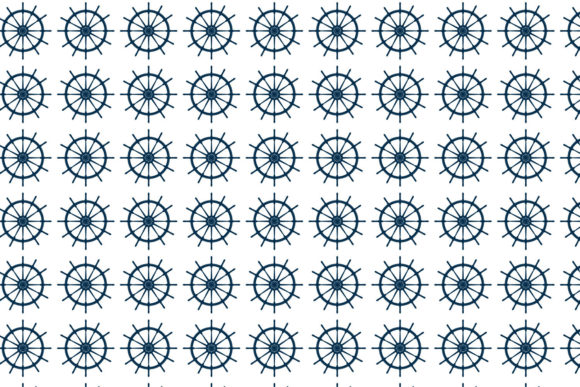
The nautical seamless patterns background has emerged as a versatile design element, offering a unique blend of visual appeal and thematic coherence. This type of pattern is rooted in the imagery of the sea, ships, anchors, and waves, making it particularly relevant for themes centered around travel, adventure, and marine life. As a seamless illustration, it allows for endless repetition without visible seams, which makes it ideal for backgrounds in digital and print media alike.
For professionals across various industries—whether in marketing, graphic design, or product development—the strategic use of a nautical seamless patterns background can enhance visual storytelling, reinforce brand identity, and evoke specific emotions tied to the oceanic theme. The marine elements incorporated into these designs, such as sailboats, anchor symbols, and wave lines, create an instant connection with the audience, especially those interested in travel, vacation, and summer aesthetics.
Strategic Applications of Nautical Seamless Patterns Background
When considering the use of a nautical seamless patterns background, it's essential to align it with your project’s goals. For instance, a small business owner launching a new line of textile products might find that incorporating nautical elements into their fabric prints helps differentiate their brand from competitors. Similarly, a freelance designer working on a website redesign could leverage this background pattern to communicate a sense of adventure and openness, which may resonate well with a target demographic interested in ocean travel or yacht cruises.
These vector illustrations are not only visually engaging but also highly adaptable. Whether used as wallpaper, decoration, or graphic design elements, they can be scaled without losing quality, making them suitable for both digital and print applications. Their versatility extends to abstract designs, geometric ornaments, and even vintage-style sketches, allowing for creative reinterpretations that suit different contexts.
Planning and Implementation Considerations
Before integrating a nautical seamless patterns background into your design strategy, consider the following:
- Contextual relevance: Ensure that the nautical theme aligns with your brand message or the content you're designing for. A maritime-themed wallpaper would be more appropriate for a travel blog than for a financial services website.
- Color palette: The blue tones associated with the sea can evoke feelings of calmness and trust, which are valuable in branding. However, overuse of navy blue or oceanic shades might lead to visual fatigue if not balanced properly with contrasting colors.
- Texture and detail: While water textures and cartoon-style elements add depth, too much detail can overwhelm the viewer. It's important to maintain a balance between complexity and clarity.
Additionally, think about how the nautical seamless patterns background will interact with other design elements. Will it serve as a subtle accent or a dominant feature? Understanding its role within the overall composition is key to achieving a cohesive look.
Use Cases and Practical Examples
The nautical seamless patterns background can be applied in numerous scenarios, including:
- Product packaging: Incorporating nautical elements into product boxes or labels can attract customers who appreciate maritime aesthetics. This is especially effective for items like coastal-themed apparel, seafood products, or travel accessories.
- Website design: A seamless nautical pattern can serve as a background for landing pages, blogs, or e-commerce sites focused on travel, boat rentals, or marine tourism. It adds a touch of personality while reinforcing the theme of the site.
- Interior decoration: In home decor, nautical patterns can be used as wallpaper, textile prints, or decorative accents. They bring a sense of relaxation and connection to nature, making them popular choices for coastal homes or vacation properties.
- Print media: From magazines to posters, nautical patterns can be used to create eye-catching visuals that stand out in a crowded marketplace.
In each of these cases, the nautical seamless patterns background serves as a strategic tool that enhances the visual narrative and supports the intended message or purpose of the design.
Potential Risks and Mitigation Strategies
While the nautical seamless patterns background offers many benefits, there are potential risks to consider. One common issue is overuse or misuse, which can result in a cluttered or unprofessional appearance. If the pattern is too busy or doesn't complement the rest of the design, it can distract from the main message rather than support it.
To mitigate these risks, it's important to:
- Test different variations: Experiment with different colors, textures, and levels of detail to find what works best for your specific project.
- Seek feedback: Share your design with colleagues or clients to get an objective perspective on how the nautical pattern is perceived.
- Use it selectively: Rather than applying the nautical seamless pattern everywhere, consider using it in key areas where it will have the most impact.
By taking a thoughtful approach, you can ensure that the nautical seamless patterns background enhances rather than detracts from your overall design strategy.
Conclusion: Intentional Design with Nautical Elements
The nautical seamless patterns background is more than just a decorative element—it's a strategic asset that can support your creative and business objectives when used intentionally. By understanding its potential applications, planning its implementation carefully, and considering its impact on the overall design, you can leverage this marine-inspired pattern to achieve better results in your projects.
Whether you're designing for branding, marketing, or personal use, the nautical seamless pattern offers a unique opportunity to connect with audiences through meaningful visual storytelling. With careful consideration and strategic application, it can become a powerful tool in your design toolkit.