The Texture of Wooden Boards: Aesthetic Appeal and Practical Use in Design
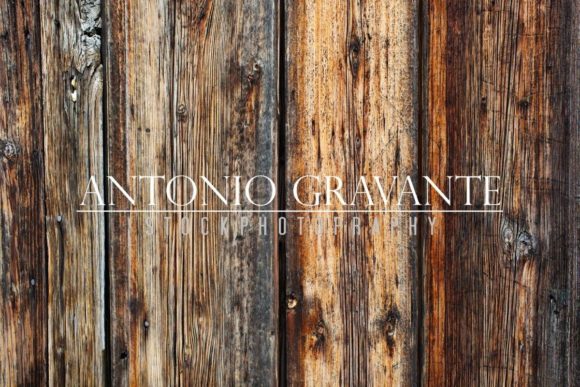
The texture of wooden boards has long been a source of inspiration for artists, designers, and homeowners alike. Whether it's the natural grain patterns or the smooth finish of a well-polished surface, wood offers a unique tactile and visual experience that is hard to replicate with other materials. In particular, the texture of vertical wooden boards has gained popularity as a design element in both digital and physical spaces. This article explores the beauty, significance, and versatility of wooden board textures, especially when enhanced with techniques like vignetting, making them ideal for quotes, wall art, decorative designs, and more.
Understanding the Texture of Wooden Boards
Wooden boards are made from various types of wood, each with its own distinct texture. The texture refers to the surface quality and feel of the wood, which can range from rough and uneven to smooth and polished. Factors such as the species of wood, the method of cutting, and the finishing process all contribute to the final texture.
Common wood types include oak, maple, pine, walnut, and mahogany. Each has its own characteristics:
- Oak: Known for its pronounced grain and durability, often used in furniture and flooring.
- Maple: Offers a fine, uniform texture and is commonly used in cabinetry and musical instruments.
- Pine: Has a softer texture and is often used for rustic or casual designs.
- Walnut: Features a rich, dark color and a smooth, slightly oily texture.
- Mahogany: Provides a warm tone and a smooth, even texture.
These variations in texture make wooden boards suitable for a wide range of applications, from construction to interior design and artistic expression.
The Role of Vignetting in Enhancing Wooden Board Textures
Vignetting is a photographic technique that darkens or softens the edges of an image, drawing attention to the center. When applied to images of vertical wooden boards, vignetting enhances the visual appeal by creating a focal point and adding depth to the texture.
This technique is particularly effective when using wooden boards as backgrounds for quotes, wall art, or decorative designs. The contrast between the deepened edges and the detailed texture of the wood creates a striking visual effect that can elevate any design project.
For example, a black-and-white photograph of vertical wooden boards with a subtle vignette can be transformed into a stunning piece of wall art. The texture of the wood becomes more pronounced, and the vignette adds a sense of intimacy and focus.
Applications of Wooden Board Textures in Modern Design
The texture of wooden boards finds its way into numerous areas of modern life. From home décor to digital media, the natural beauty of wood continues to inspire creativity and innovation.
Home Décor: Wooden boards are often used as wall panels, shelves, or backsplashes in kitchens and bathrooms. Their natural texture adds warmth and character to any space. When combined with vignetting effects in photographs, they can also serve as the basis for custom wall art or framed prints.
Digital Media: High-resolution images of wooden boards, especially those with vignetting, are popular choices for background textures in websites, apps, and digital presentations. These images provide a natural, organic feel that complements a wide range of content.
Business and Education: Companies and educational institutions use wooden board textures in branding and marketing materials. The texture evokes a sense of craftsmanship and reliability, which can be appealing to consumers and students alike.
Creativity and Art: Artists and designers often incorporate wooden textures into their work. Whether it's through photography, painting, or digital illustration, the natural patterns of wood offer endless possibilities for creative expression.
Why Choose Wooden Boards Over Other Materials?
While there are many materials available for design and decoration, wooden boards have several advantages that make them stand out:
- Natural Beauty: Wood has a unique, organic appearance that cannot be replicated by synthetic materials.
- Durability: When properly maintained, wooden boards are strong and long-lasting.
- Versatility: They can be used in a variety of settings, from indoor spaces to outdoor projects.
- Sustainability: Wood is a renewable resource, and using it supports eco-friendly practices.
- Customization: Wooden boards can be stained, painted, or carved to suit different styles and needs.
These qualities make wooden boards an excellent choice for anyone looking to add a touch of nature and elegance to their surroundings.
Common Misconceptions About Wooden Board Textures
Despite their popularity, there are some common misconceptions about wooden board textures that are worth addressing:
Misconception 1: All wooden boards have the same texture. Reality: As discussed earlier, different wood types and finishes produce varying textures. Understanding these differences can help you choose the right material for your project.
Misconception 2: Wooden boards are only suitable for rustic or traditional designs. Reality: While wood has a classic appeal, it can also be incorporated into modern and minimalist designs with the right finishing and styling.
Misconception 3: Wooden boards require extensive maintenance. Reality: With proper care, wooden boards can last for many years. Regular cleaning and occasional polishing are usually sufficient to maintain their appearance.
How to Use Wooden Board Textures in Your Projects
If you're interested in incorporating the texture of wooden boards into your own projects, here are a few tips to get started:
- Choose the Right Type of Wood: Select a wood type that matches your project's style and function. For example, use oak for furniture and maple for cabinetry.
- Experiment with Finishes: Try different stains, paints, or sealants to achieve the desired look and feel.
- Use Digital Tools: If you're working with digital media, high-quality images of wooden boards (such as Jpeg files at 300dpi) can be used as backgrounds or textures in graphic design software.
- Combine with Other Elements: Pair wooden boards with other materials like metal, glass, or fabric to create unique and eye-catching designs.
- Seek Inspiration: Look for ideas online or in design magazines to see how others are using wooden board textures in their projects.
By understanding the properties and possibilities of wooden board textures, you can unlock new creative opportunities and enhance the aesthetic of your spaces and projects.
Conclusion
The texture of wooden boards is more than just a visual feature—it's a versatile and valuable asset in design, art, and everyday life. Whether you're using them as part of a home décor project, a digital design, or a piece of wall art, the natural beauty of wood can add depth, character, and warmth to any setting. By embracing the unique qualities of wooden board textures and experimenting with techniques like vignetting, you can create stunning results that reflect your personal style and creativity.