Canva Template, Planner KDP Template 1: A Strategic Guide to Smart Planning and Publishing
If you are looking for a reliable foundation to build your next project, Canva Template, Planner KDP Template 1 offers a distinct advantage over starting from scratch. This isn't just a digital file; it is a flexible framework designed to bridge the gap between a blank page and a finished product. Whether your goal is to launch a self-published book on Amazon KDP, create custom planners for clients, or simply organize your own chaotic schedule, this template provides the structural integrity you need while allowing for complete creative freedom.
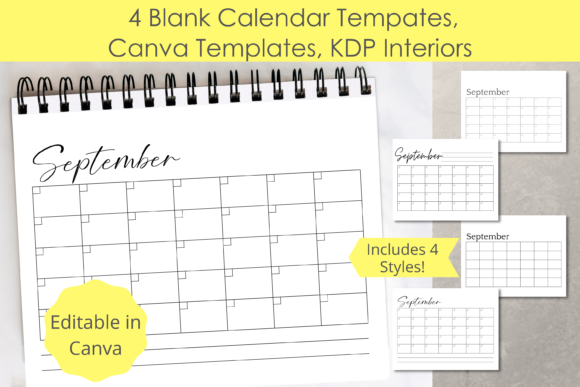
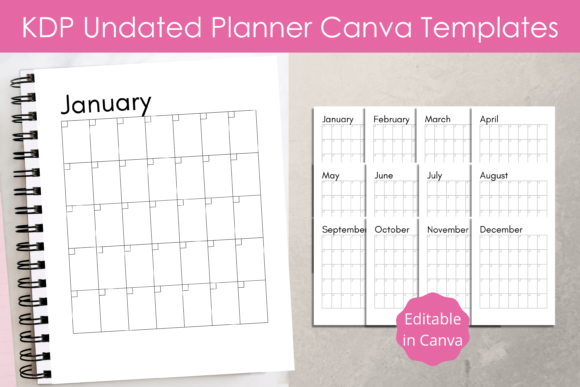
The appeal of this tool lies in its versatility. It includes 12 months of undated layouts with black text and date boxes, ensuring that the content remains relevant regardless of when you start using it. However, many users make the mistake of treating templates as "one-and-done" solutions. To truly maximize the value of this asset, you must understand how to customize it effectively without compromising the professional quality required for commercial distribution or personal satisfaction.
Avoiding the "Copy-Paste" Trap
One of the most common errors beginners make with planner templates is assuming that the default design is sufficient for their final output. While Canva Template, Planner KDP Template 1 comes pre-structured, relying solely on the default fonts and colors often results in a generic look that fails to stand out in a crowded marketplace. If you intend to sell these planners via KDP, a lack of unique branding can lead to poor conversion rates because customers cannot distinguish your product from thousands of others.
To avoid this pitfall, treat the template as a skeleton rather than a finished body. The instructions allow you to change fonts, adjust sizes, and modify colors to match your specific brand identity. For instance, if you are targeting a corporate audience, swapping a playful script font for a clean sans-serif can instantly elevate the perceived value of the planner. Conversely, if you are creating a planner for a hobbyist group, adding clip art or illustrations that reflect their interests adds a layer of personalization that static designs lack.
Furthermore, do not overlook the importance of spacing. When customizing text elements, ensure that the line height and margins remain consistent. Poorly adjusted spacing can make a planner look cluttered or difficult to read, which directly impacts user experience. By taking the time to refine these details, you transform a standard template into a polished, high-quality publication.
Navigating Technical Requirements for KDP
For those venturing into Kindle Direct Publishing (KDP), there is a critical misunderstanding regarding file formats and bleed settings. Many creators assume that exporting a Canva design is as simple as clicking "Download." However, producing a print-ready PDF requires specific attention to detail. If you ignore the technical specifications, your book could end up with cut-off text, white borders, or low-resolution images that ruin the printing process.
When using Canva Template, Planner KDP Template 1, you must verify that your canvas size matches the exact dimensions required by your chosen printer or KDP settings. Additionally, always include the necessary bleed area. Bleed is the extra space beyond the trim edge that ensures no unprinted edges appear after the paper is cut. Without this, your carefully designed backgrounds might get sliced off, leaving unsightly white lines along the edges of your pages.
Another frequent oversight involves image resolution. Canva allows you to add high-quality graphics, but if you export at a low resolution suitable only for web viewing, your printed planner will look pixelated and unprofessional. Always select the "Print PDF" option with crop marks and bleed enabled when preparing your final files. This small step prevents costly reprint fees and protects your reputation as a publisher.
Customization Beyond the Basics
The true power of this template lies in its adaptability. You are not limited to the provided layout. The ability to add lines, holidays, decorative elements, and your own logo means you can tailor the planner to serve specific needs. For example, a freelancer might use the template to create a dedicated invoice tracker within the monthly views, while an educator might insert holiday reminders and lesson planning grids.
Consider combining this template with other printables from the same shop to create a comprehensive planner set. This approach adds value for your customers and increases the average order value for your business. However, be cautious about mixing styles. Ensure that the fonts and color palettes of the additional documents harmonize with the base template. Inconsistency in design language can confuse the user and make the final product feel disjointed.
When personalizing the document, think about the user journey. How does the planner guide the reader through the month? Does the flow of information make sense? Use the editable features to enhance readability. For instance, if you find that the date boxes are too small for some handwriting styles, expand them. These micro-adjustments demonstrate care and attention to detail, which are crucial for customer satisfaction.
Evaluating Your Needs Before You Start
Before diving into the customization process, take a moment to evaluate your specific goals. Are you building a business or organizing your home life? The answer dictates how much effort you should invest in the design phase. For a quick personal solution, minimal changes may suffice. For a commercial KDP product, every element must be scrutinized for clarity, aesthetics, and functionality.
Check the rest of the store for additional styles and options if you need variety. Sometimes, a single template style does not cover all the requirements of a complex project. Combining different planner templates can result in a unique KDP planner that stands out. Just remember that consistency is key. Even when mixing styles, maintain a cohesive theme so the final product feels like a unified system rather than a collection of random pages.
Ultimately, Canva Template, Planner KDP Template 1 is a tool that rewards creativity and precision. By avoiding common pitfalls like neglecting bleed settings, ignoring brand consistency, and failing to personalize the design, you can produce a planner that is both functional and visually appealing. Whether you are a beginner looking to learn the ropes of publishing or a seasoned professional seeking efficiency, this template offers the flexibility to meet your exact needs. Take control of the design process, apply these practical corrections, and watch your planning projects come to life with professional polish.